Remembering Olivyn: A Life Dedicated to Scientific Excellence
|
As Dr. Angeles wrapped up her life here on earth, her legacy will continue through her influential work: conducting rigorous and impactful scientific research, mentoring and supporting the next generation, and ensuring that the scientific community directs its efforts to improving the lives of farmers and communities while protecting the future of our planet.
|
|
|
IRRI strengthens nearly a decade of stewardship excellence with dual global certifications
|
The International Rice Research Institute (IRRI) has received its third Excellence Through Stewardship (ETS) and first Plant Breeding Innovation-Management Program (PBI-MP) certifications, recognizing nearly a decade of adherence to global standards for biotechnology-derived plant products.
|
|
|
Global research network puts rice roots at the center of climate resilience
|
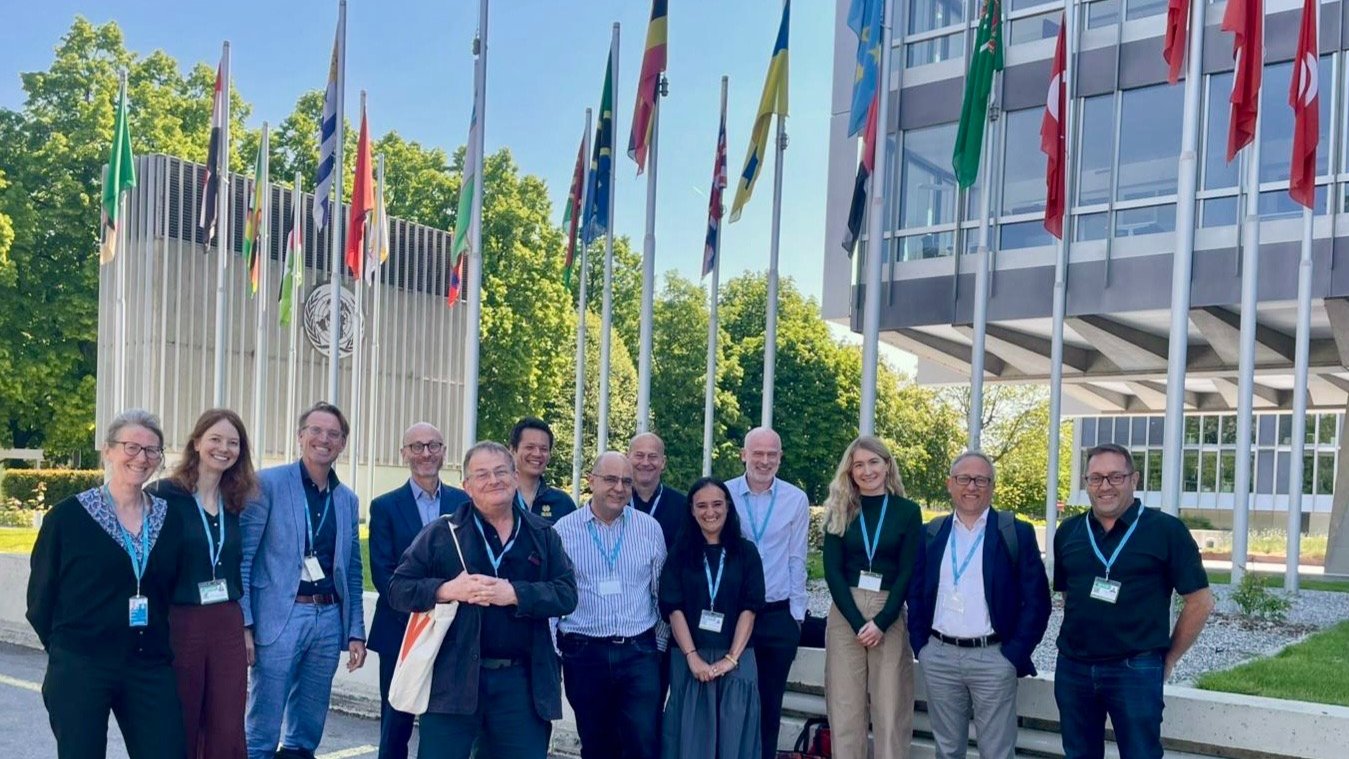
A global network of scientists working on rice and climate stress has come together to tackle one of agriculture’s most urgent challenges: how to protect the world’s most important staple crop as environmental pressures intensify.
|
|
|
New rice sowing technology shows promise for low-emission farming in Vietnam
|
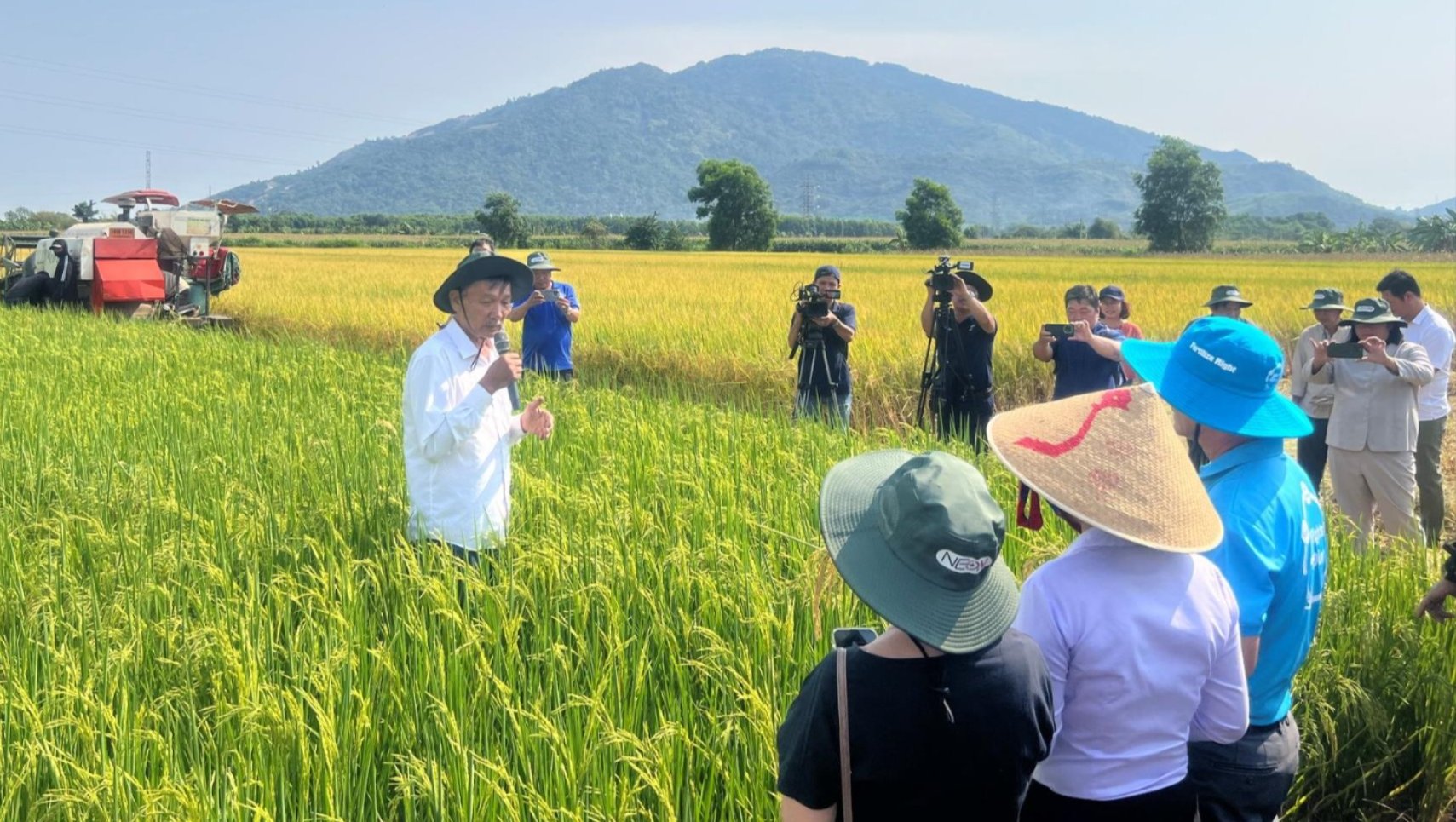
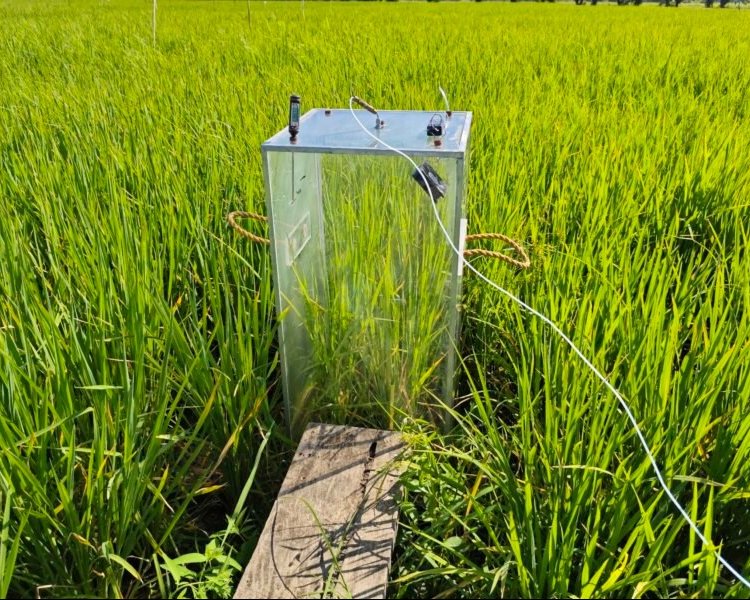
The International Rice Research Institute (IRRI), in collaboration with national partners, recently organized a high-level workshop to evaluate the performance of mechanized dry direct seeding combined with fertilizer deep placement.
|
|
|
Climate-smart rice systems could help curb malaria and other vector-borne diseases
|
New evidence and expert discussions highlight how climate change and rice production systems are converging to influence the spread of vector-borne diseases such as malaria and schistosomiasis in sub-Saharan Africa, underscoring the need for integrated solutions across agriculture and public health sectors.
|
|
|
|
|
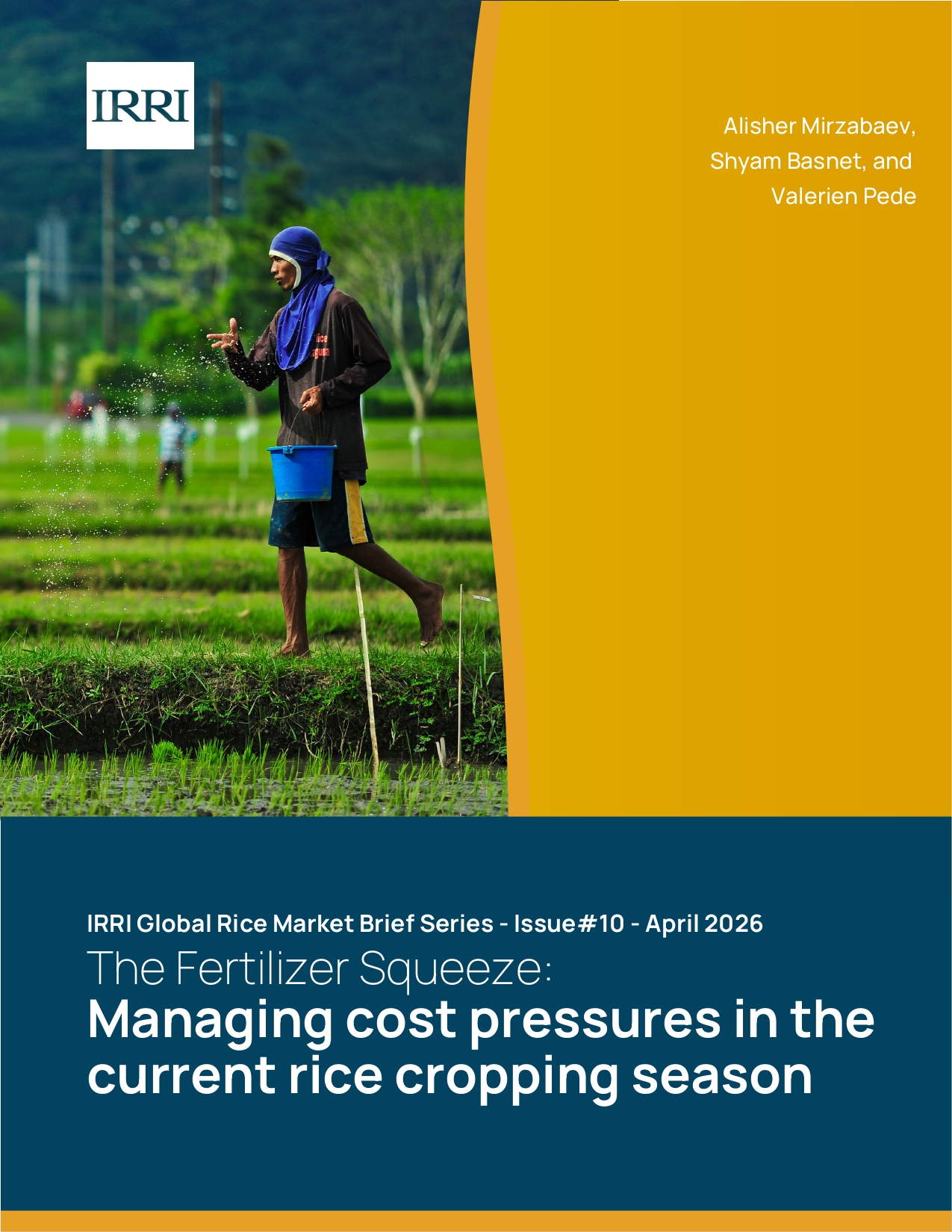
IRRI GLOBAL RICE MARKET BRIEF #10
|
The ongoing conflict in the Middle East is triggering severe risks to global agrifood systems. The rice sector is facing a crippling combination of surging fertilizer and fuel costs and subdued international rice prices. Managing this "fertilizer squeeze" will be critical for protecting rice productivity, farmer livelihoods, and global food security in 2026 and 2027.
|
|
|
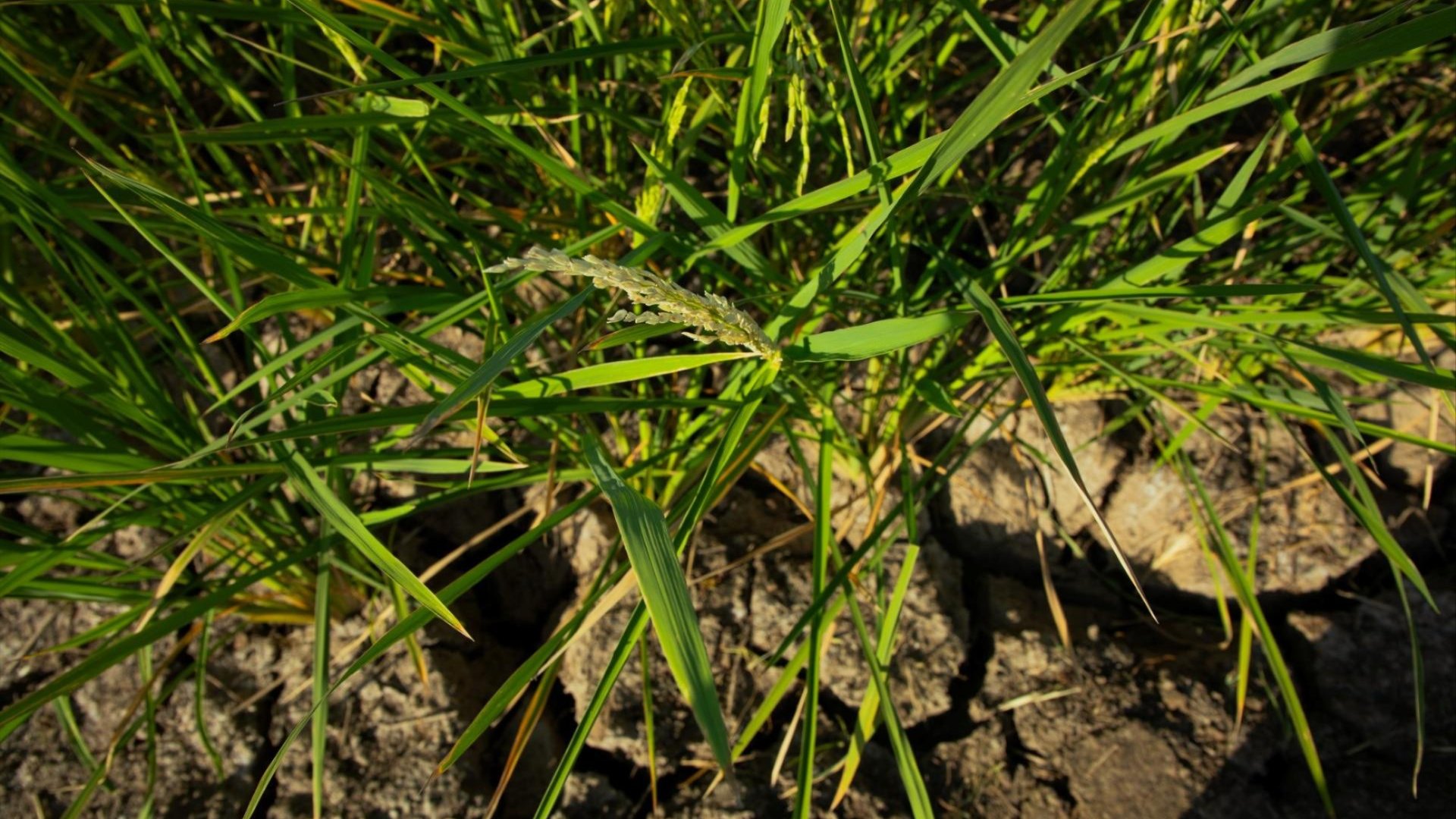
Is intensive rice farming exhausting our soils?
|
To meet the demands of a growing global population, farmers in tropical Asia have shifted to intensive cultivation, often harvesting two or even three crops per year from the same plot of land. However, a landmark study published in Field Crops Research reveals a troubling “soil fertility paradox” that threatens the long-term sustainability of these vital food systems.
|
|
|
How Bangladesh’s smallholder farmers are navigating the high-value rice market
|
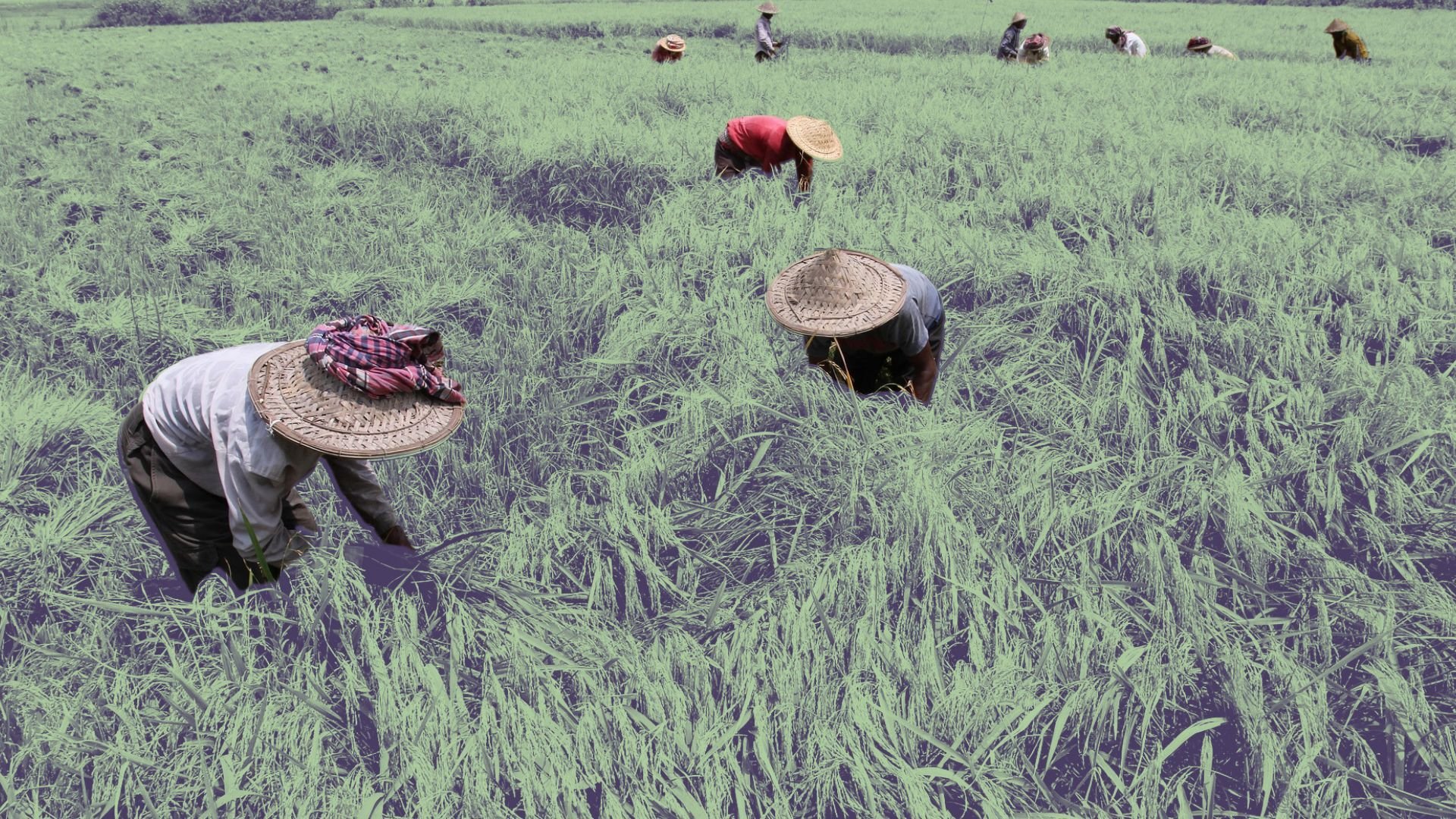
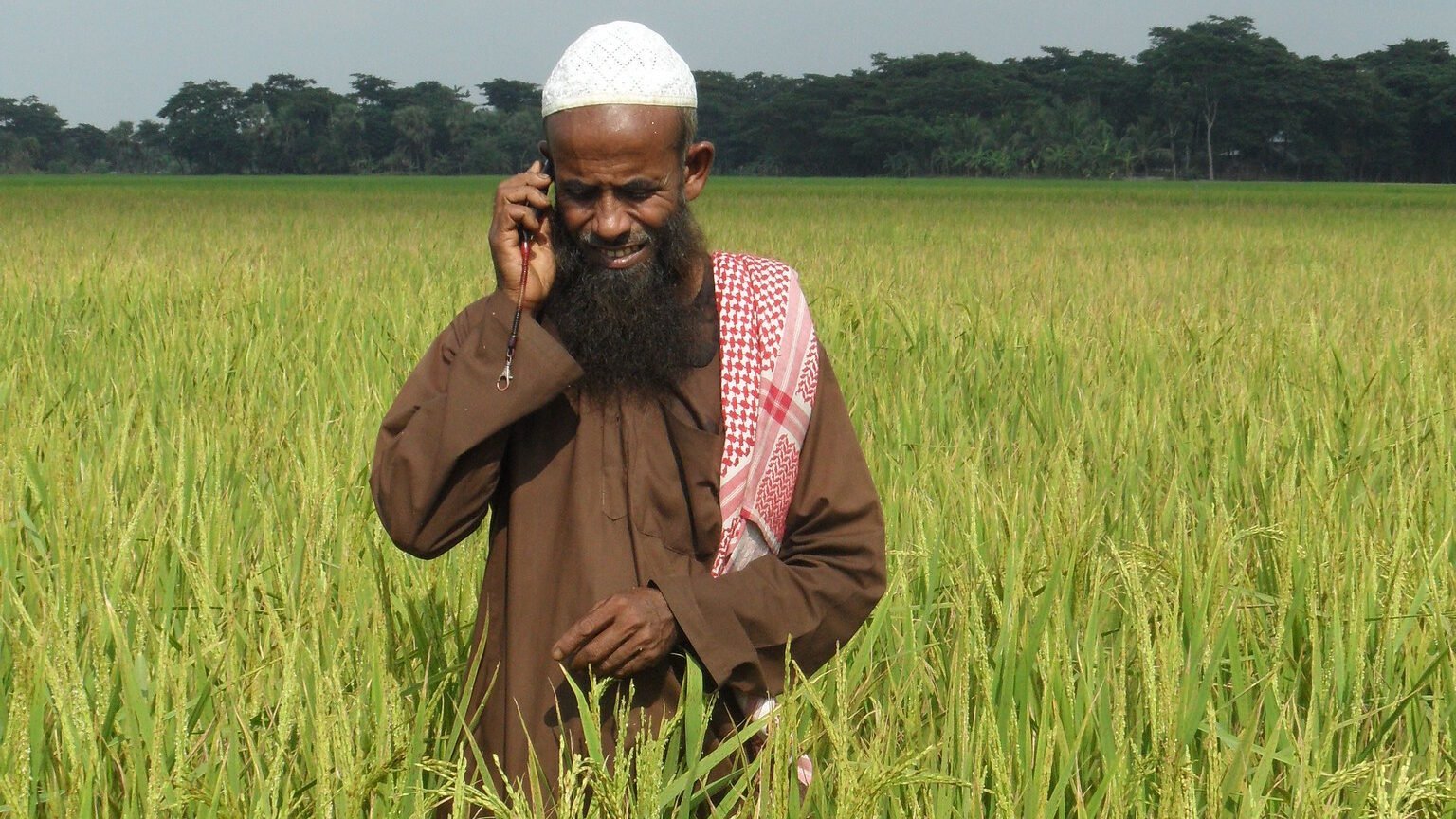
A new study identified the specific hurdles that determine whether a farmer successfully transitions from subsistence rice farming to participating in these lucrative high-value markets.
|
|
|
Want your published paper featured in Rice Today and promoted on IRRI social media and the newsletter? Chat or email the editor at g.concepcion@cgiar.org
|
|
|
|
AI-designed Synthetic Microbial Communities for Reducing Greenhouse Gas Emissions, Improving Biological Nitrogen Fixation and Enhanced Disease Resistance in Rice
|
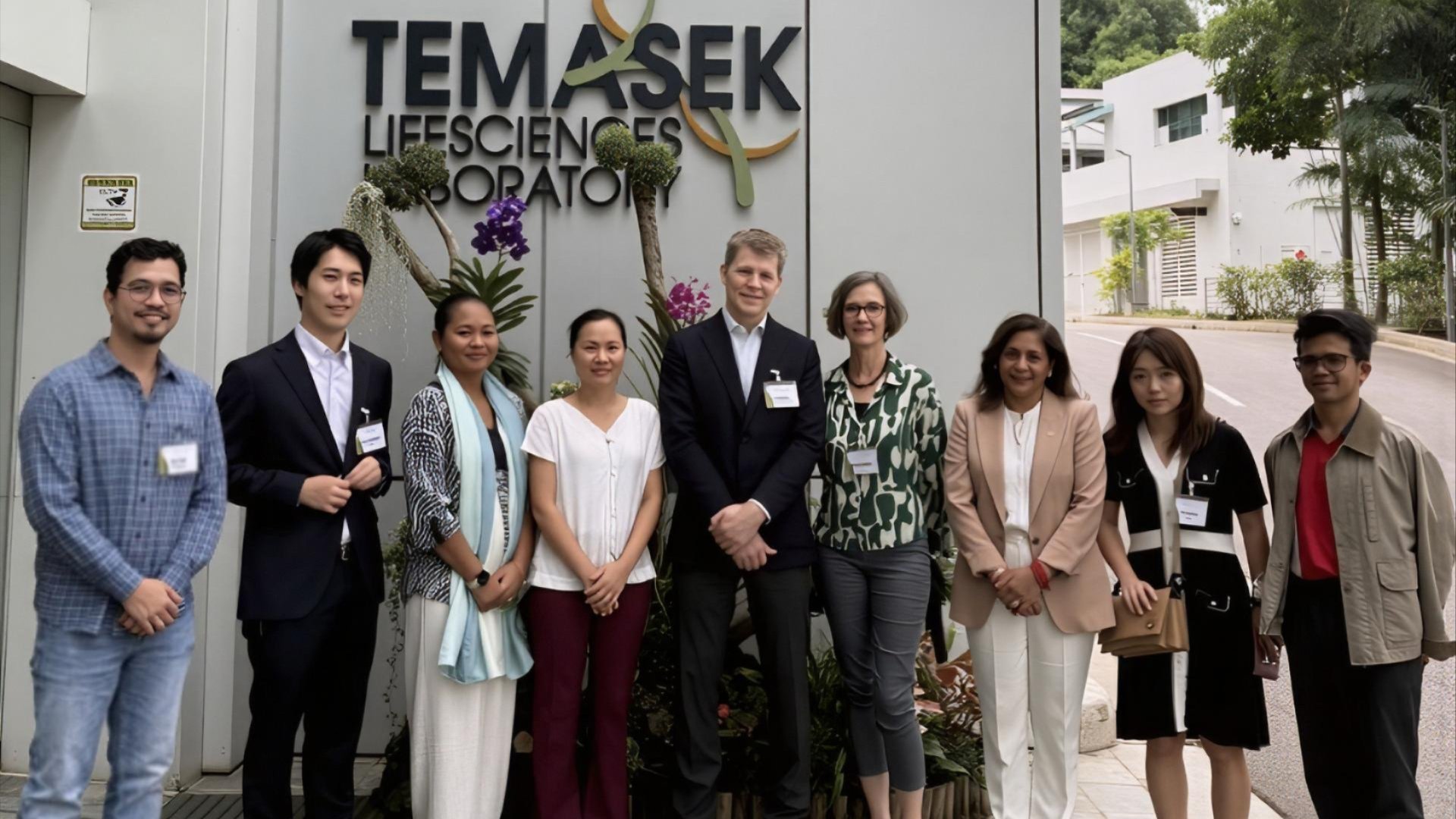
The project aims to use Artificial Intelligence (AI) to study and design microbial communities to live around rice roots and cut greenhouse gas emissions, improve biological nitrogen fixation, and boost natural disease resistance. Backed by CGIAR’s Sustainable Farming Initiative and partners from Cornell University, JIRCAS, and the University of Bremen, the project will build an AI-guided pipeline to deliver next-generation microbial solutions for climate-smart, low-emission rice systems in the Philippines and beyond.
|
|
|
Meeting the “Gold Standard”: Turning Raw Data to FAIRly Reproducible Research Assets using R
|
|
|
|
Research depends not only on strong data but also on how well data can be organized, understood, shared, and reused. Strengthening these foundations, IRRI SIRS Department held the training "FAIRlyReproducible: R for Data-Driven Research" to equip researchers on essential R programming skills needed to transform raw field data into AI-ready, Findable, Accessible, Interoperable, and Reusable (FAIR)-compliant research assets.
Beyond coding, the workshop emphasized critical file management strategies, such as the "3-2-1 backup rule" to prevent data loss and the use of standardized naming convention and folder structures to ensure long-term data legibility. Participants were also introduced to the concepts of "tidy data" and the necessity of maintaining comprehensive documentation through Readme files, changelogs, and data dictionaries. Discussions also highlighted the shift toward proactive data sharing through publicly available repositories, ensuring that scientific findings are not just preserved, but are fully reproducible by the global science community.
|
|
|
|
IRRI Education strengthens global participants' competencies in rice root phenotyping
|
|
|
|
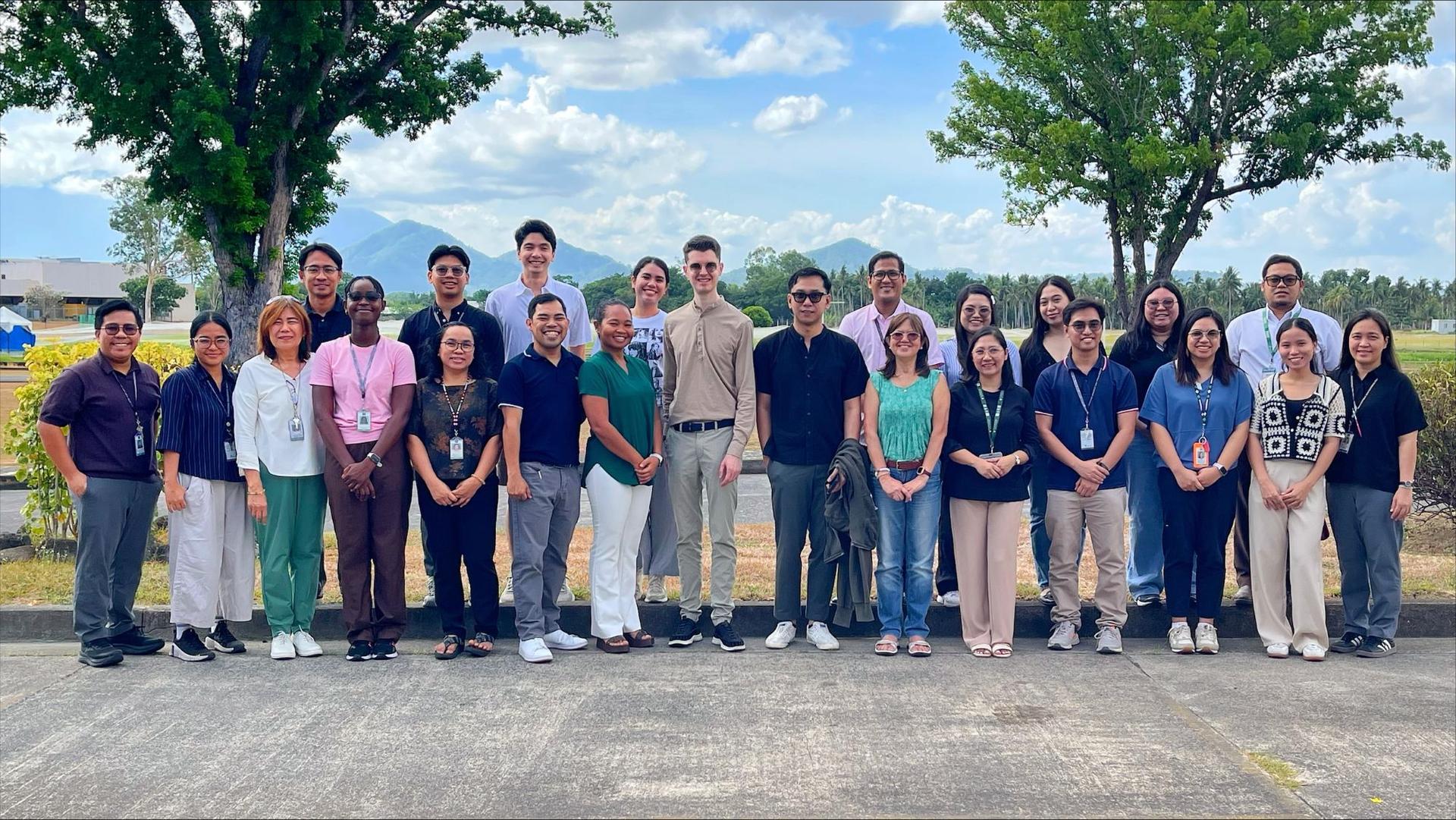
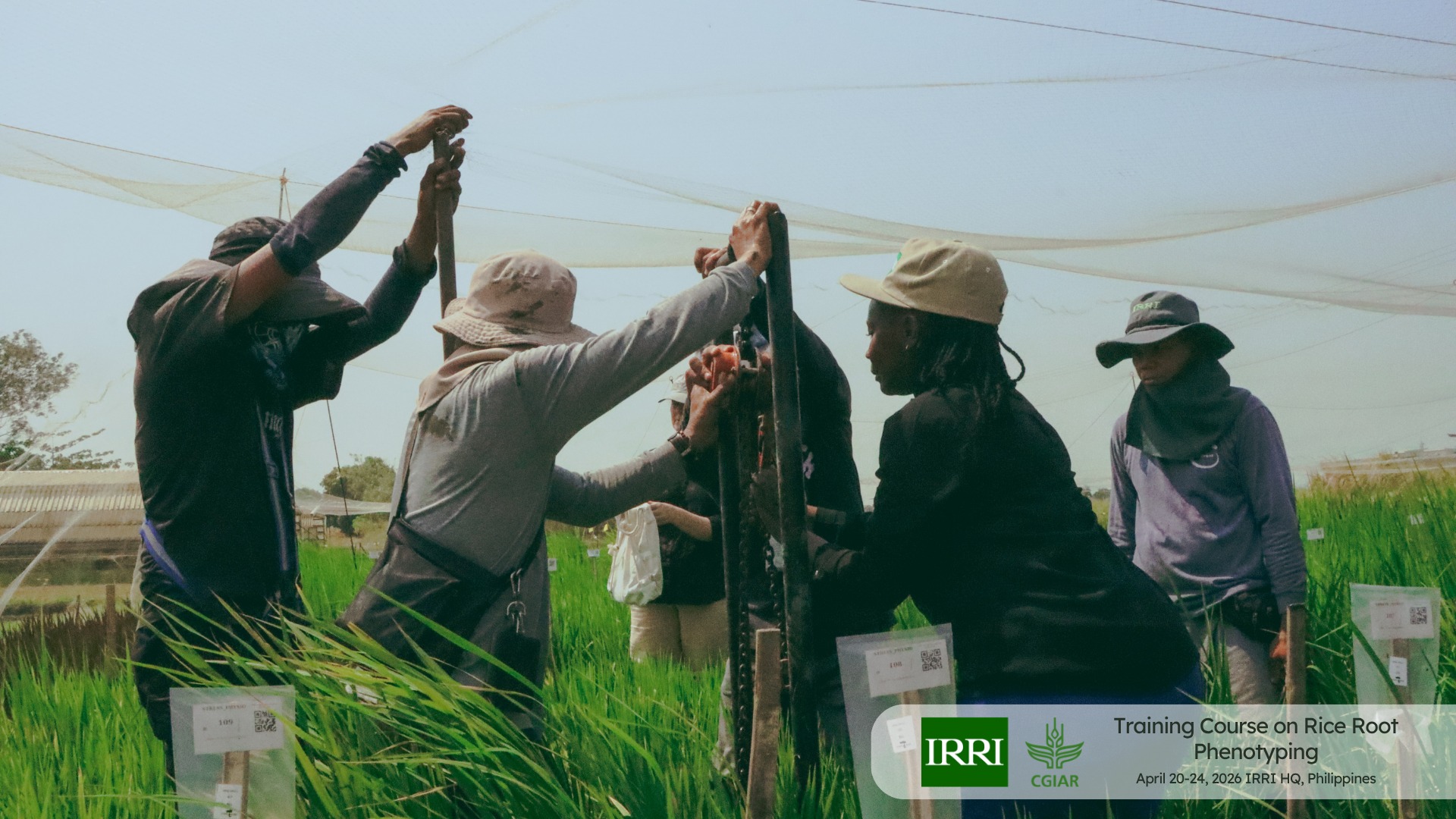
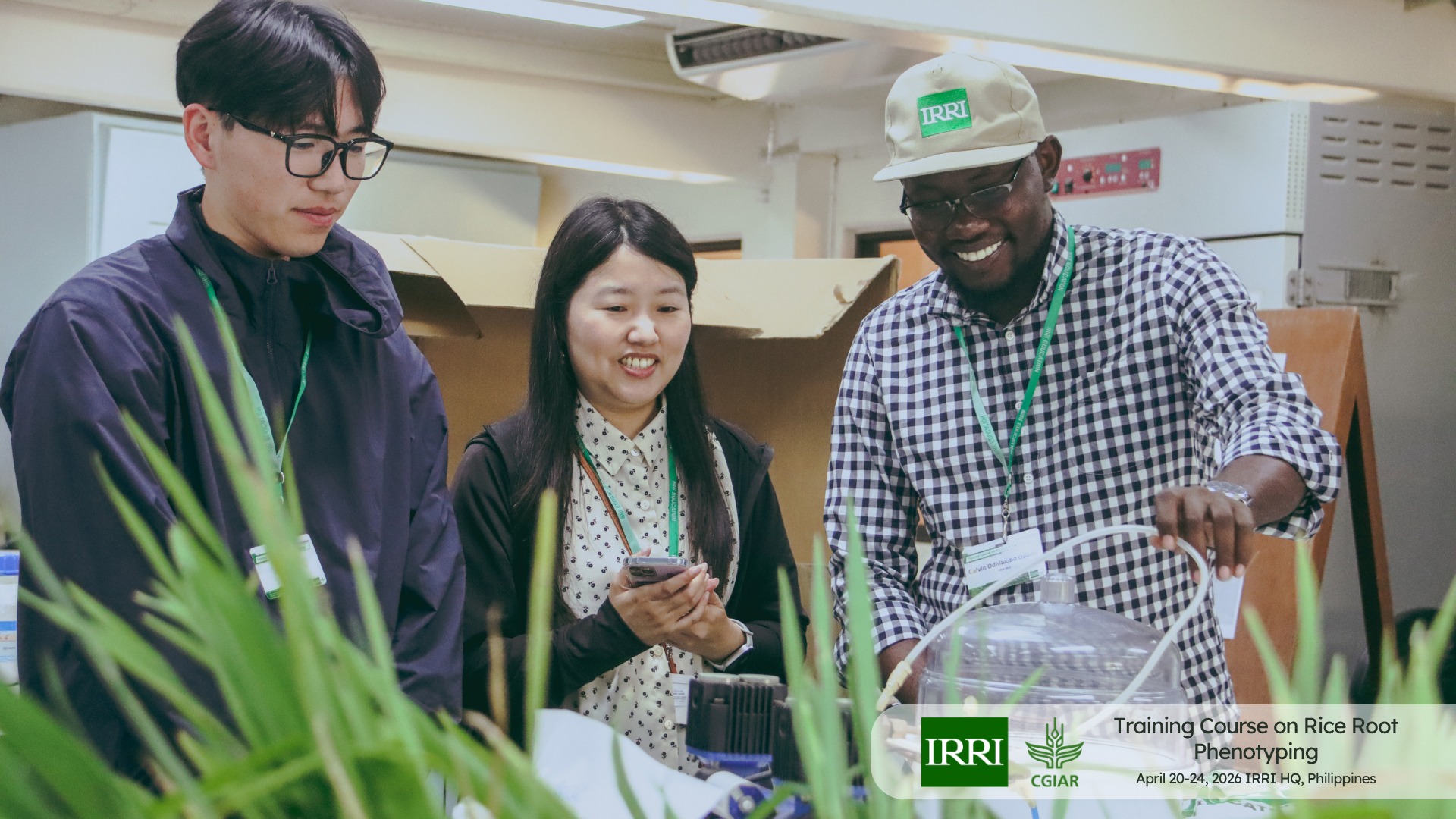
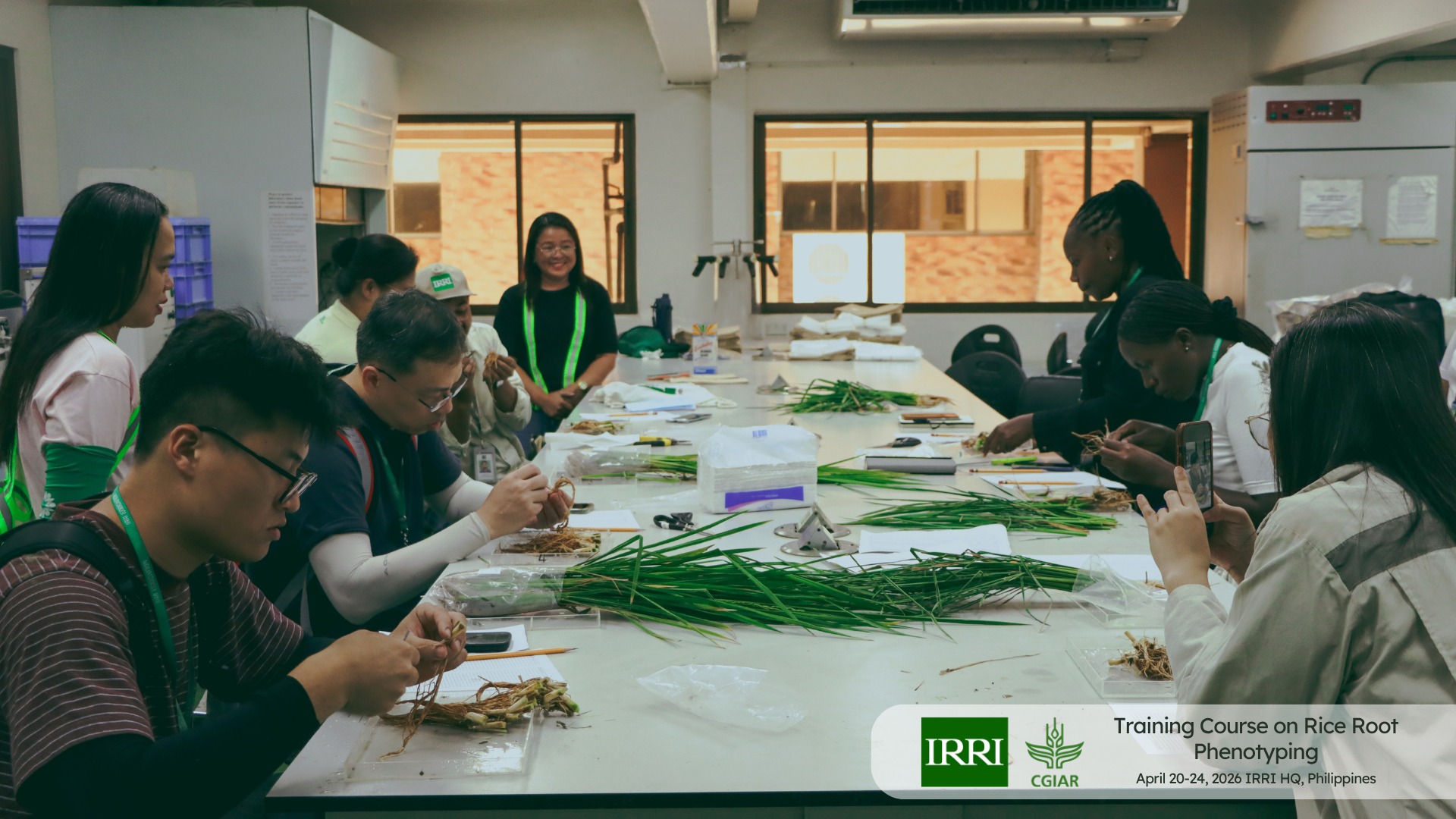
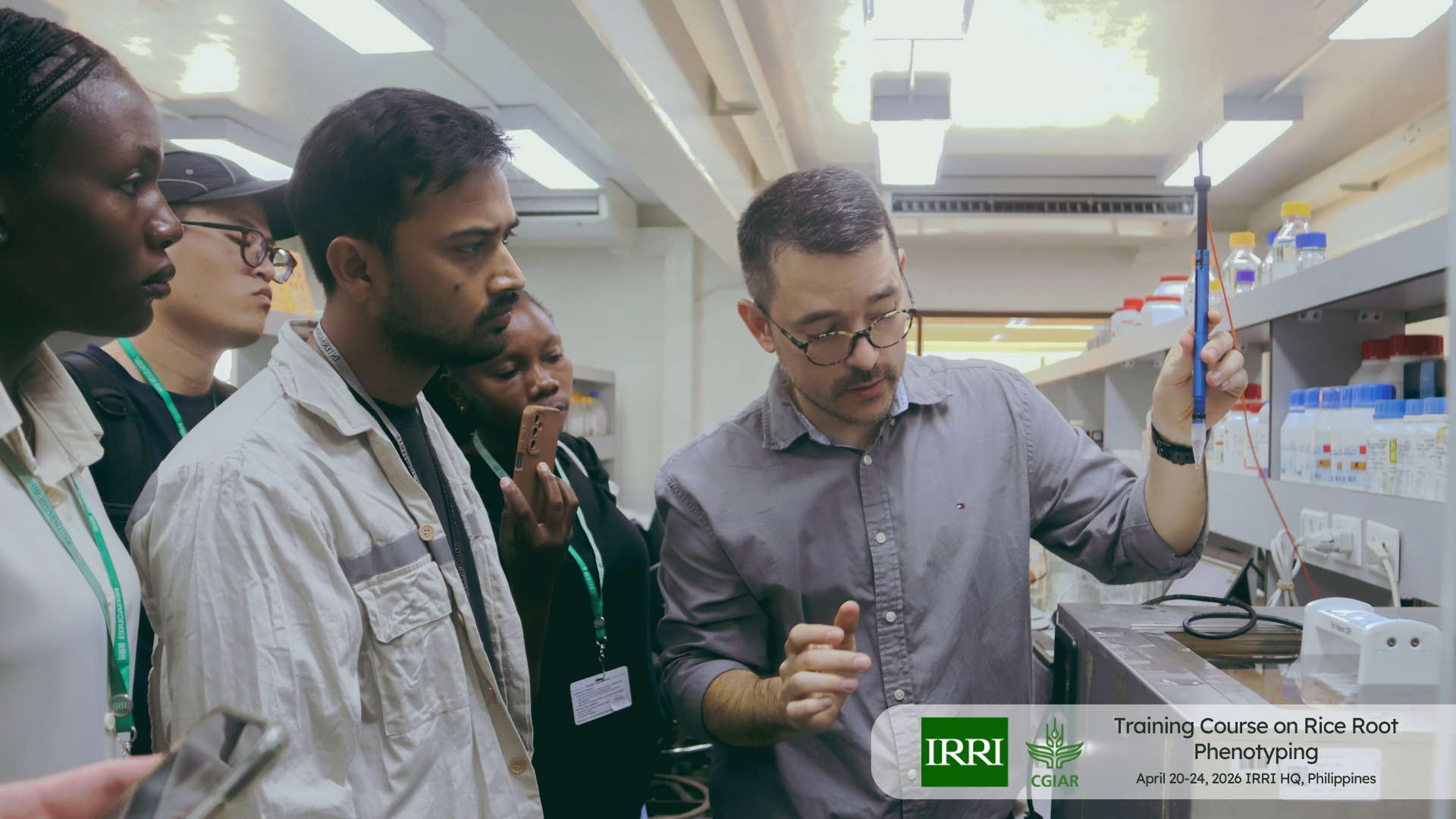
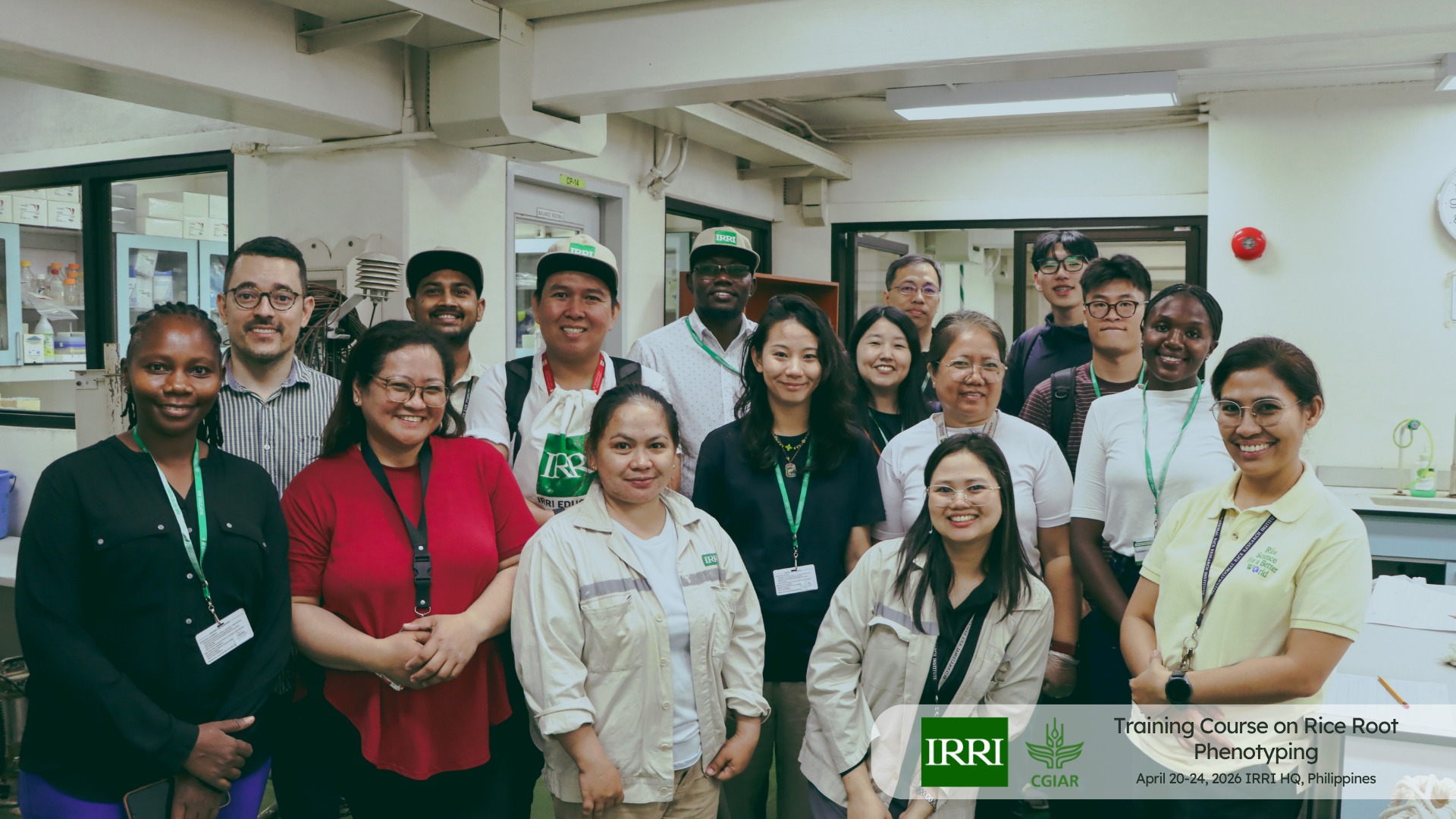
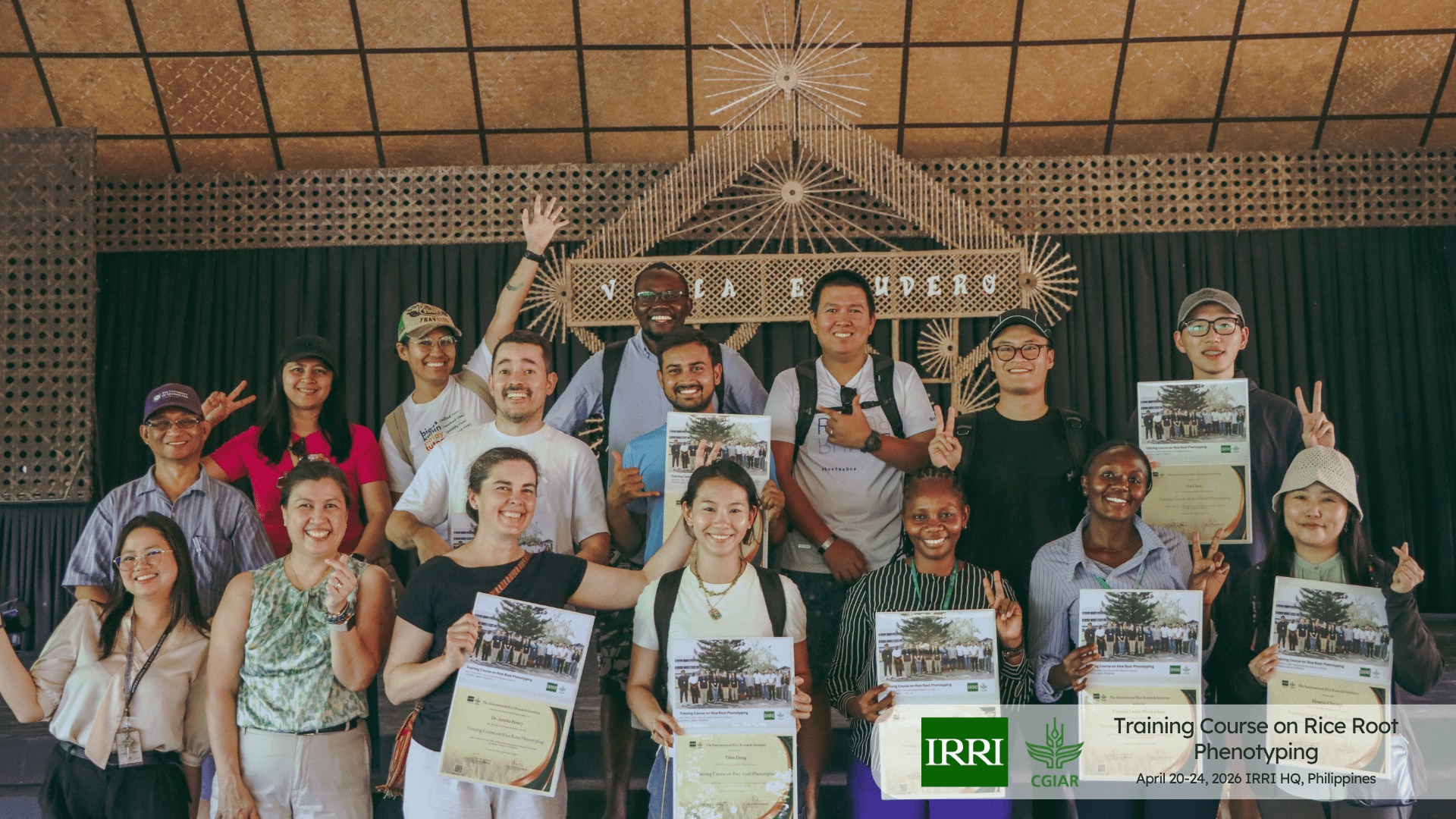
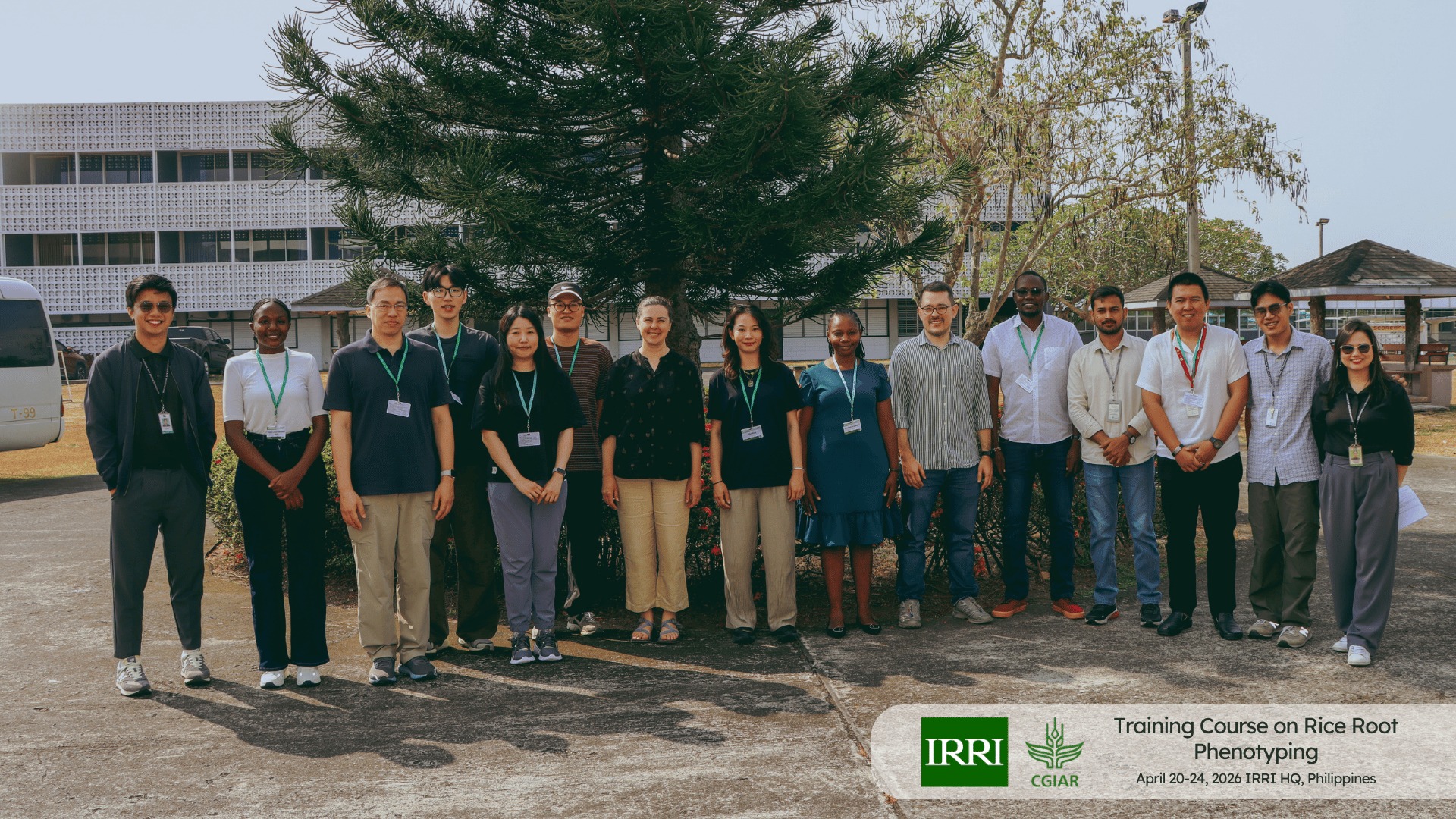
The International Rice Research Institute (IRRI), through IRRI Education, successfully concluded the Training Course on Rice Root Phenotyping held from 20–24 April 2026 at IRRI Headquarters, Los Baños, Laguna.
The five-day course brought together 10 graduate students, researchers, and academic professionals from the Philippines, Taiwan, China, Kenya, and Tanzania. Participants represented diverse fields including agronomy, crop physiology, plant pathology, genetics, biology, horticulture, and plant breeding.
The training aimed to strengthen participants’ technical competencies in rice root phenotyping through lectures, demonstrations, and immersive field and laboratory sessions focused on standardized methods for studying rice roots.
|
|
|
|
IRRI advances scaling capacities through UPSKILL training
|
|
|
|
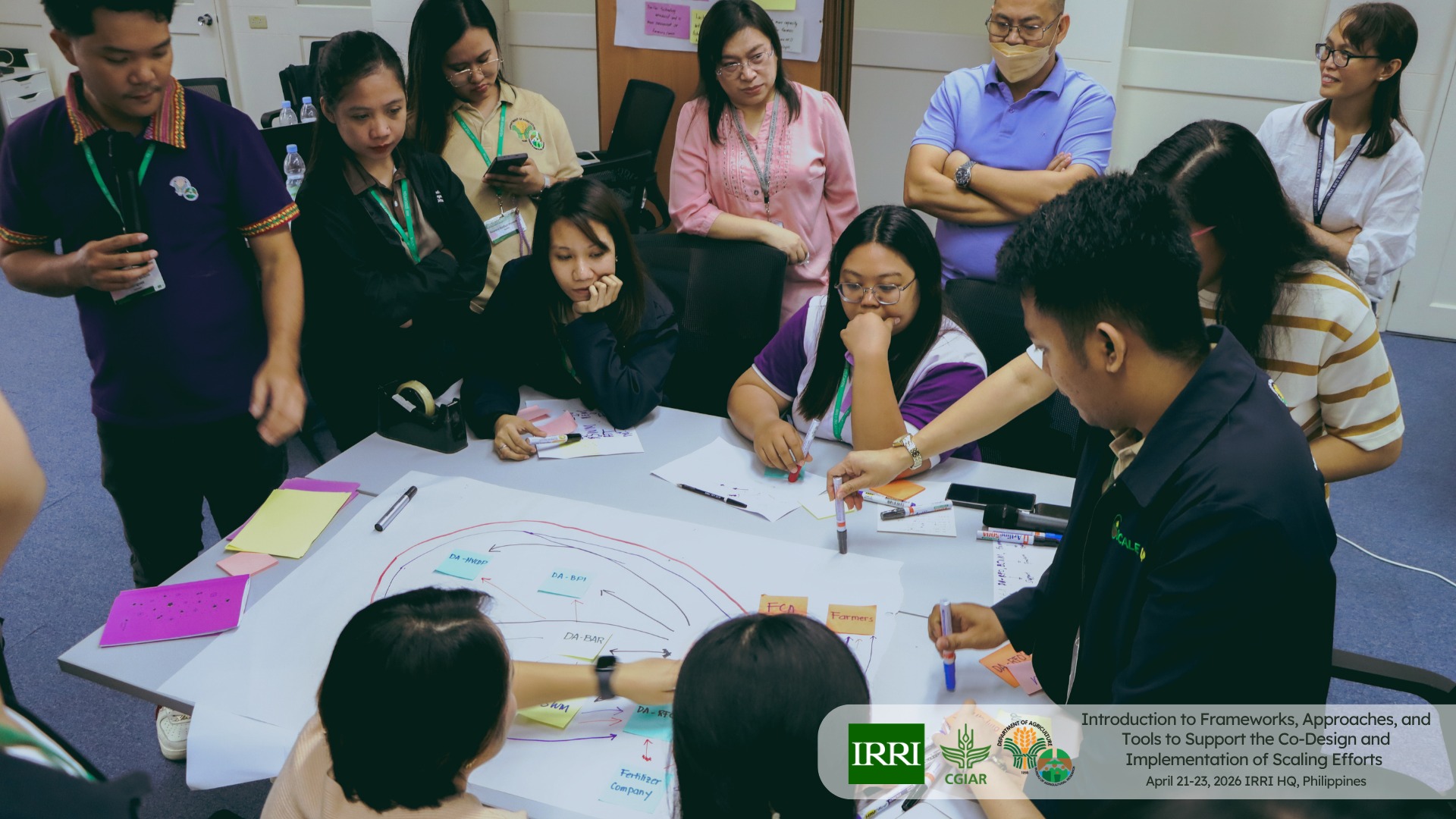
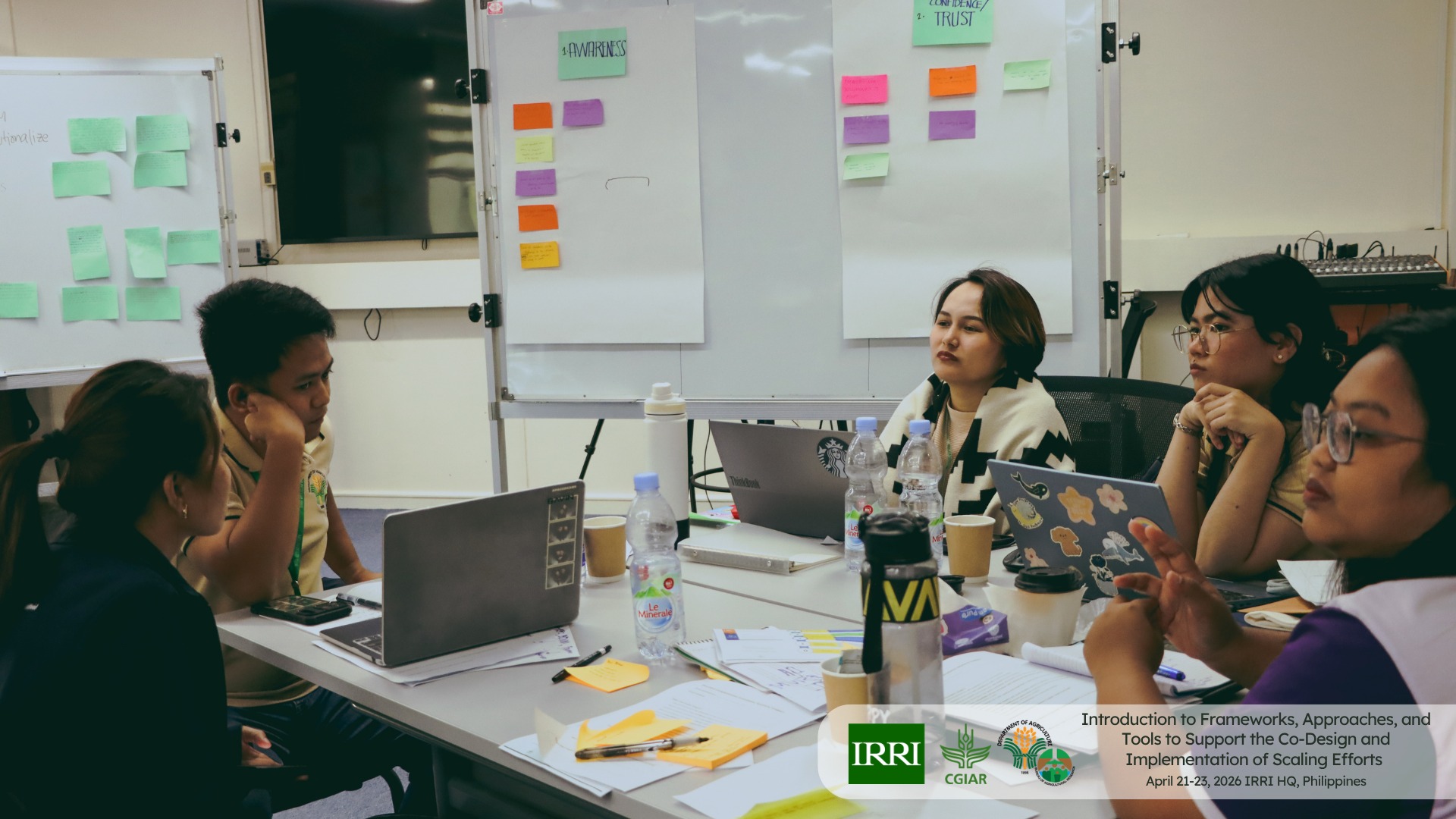
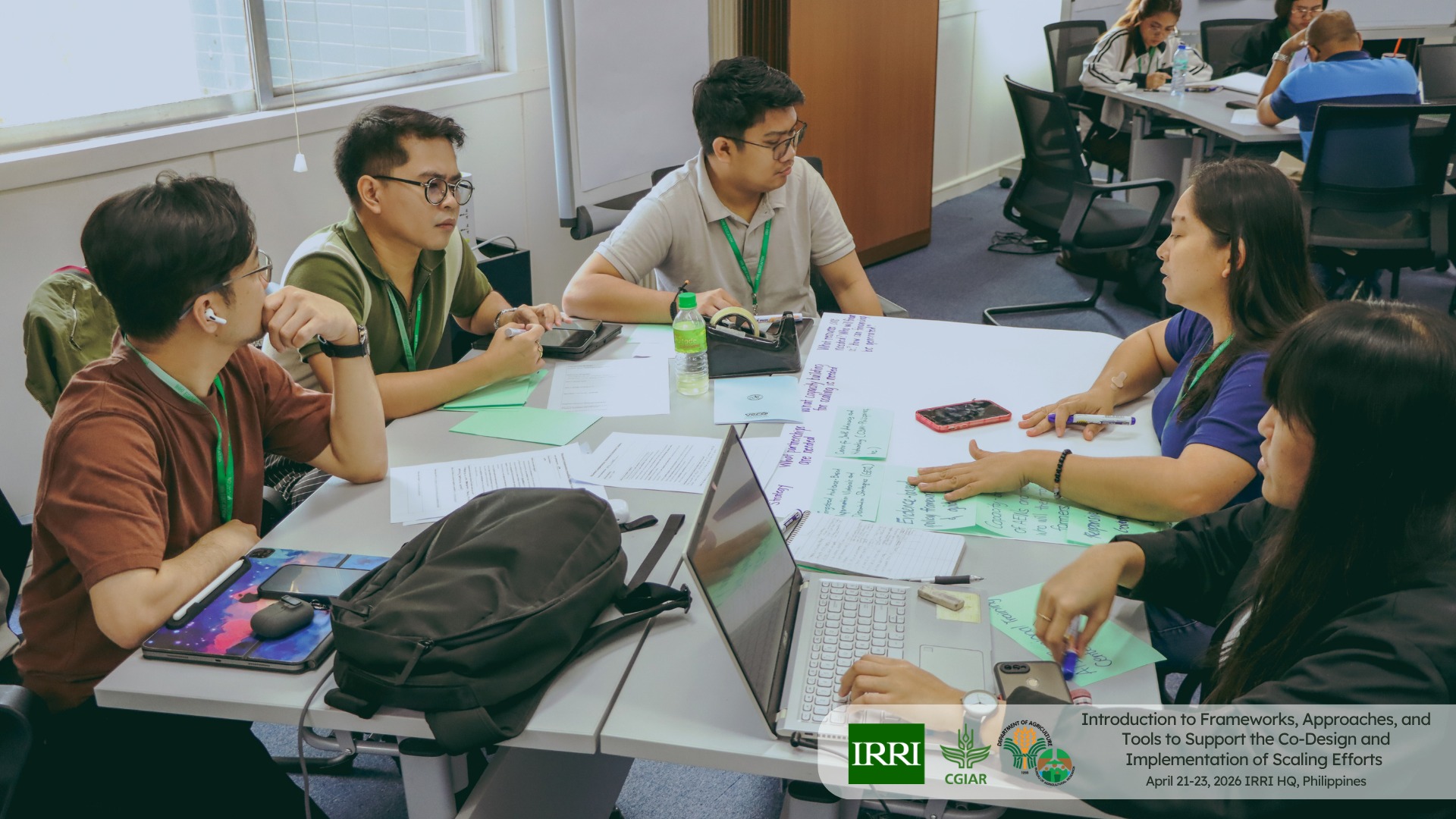
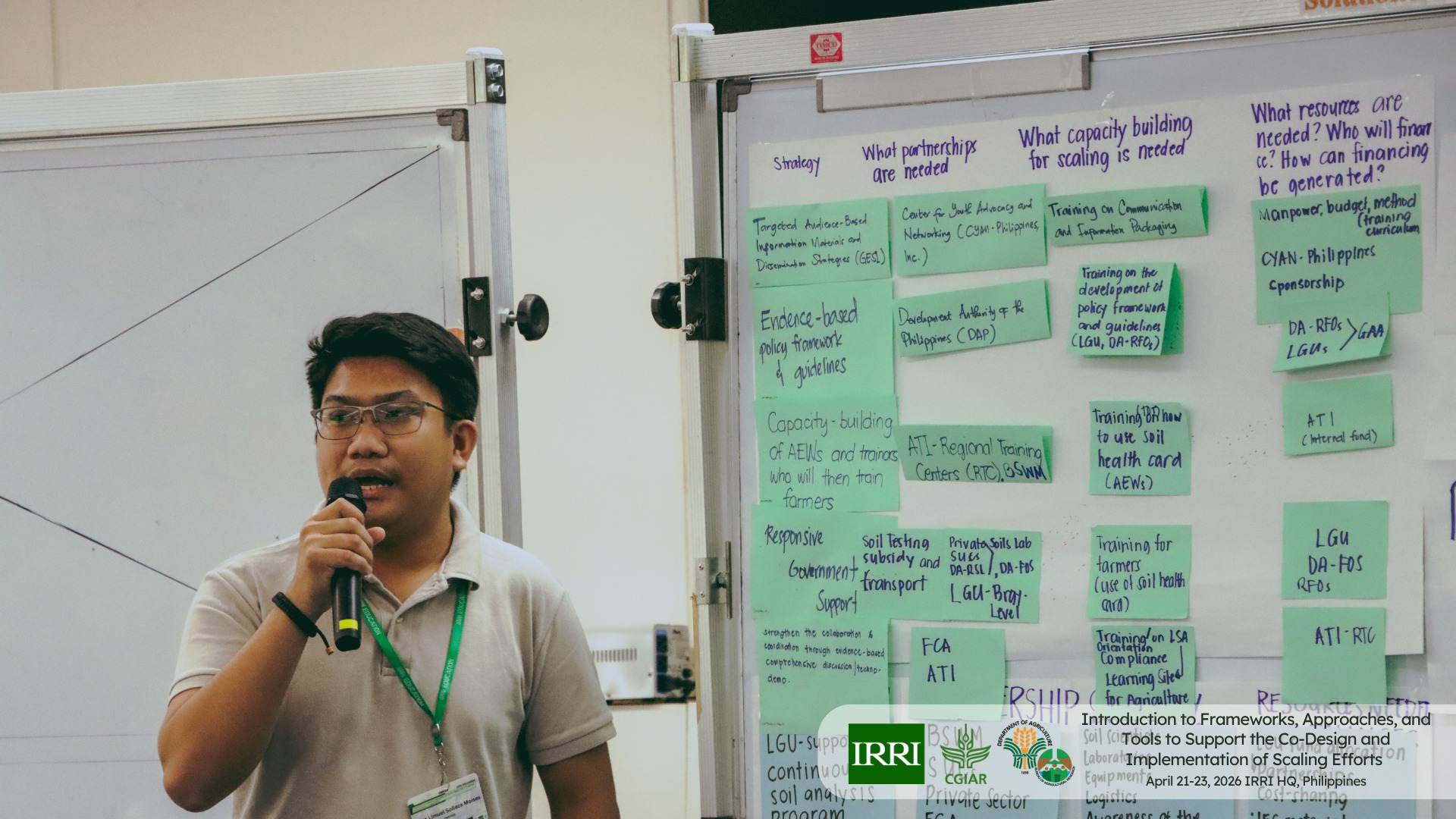
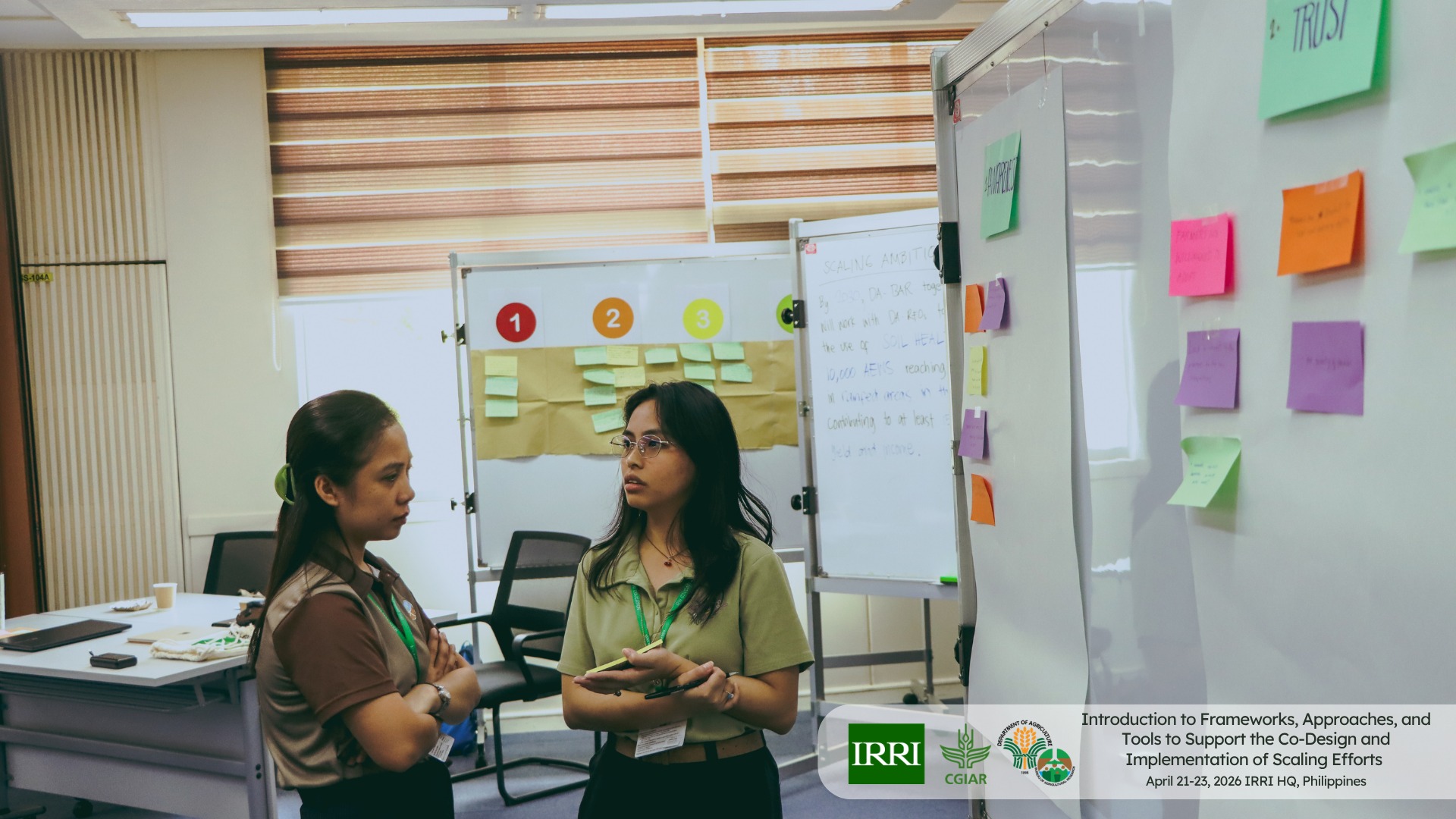
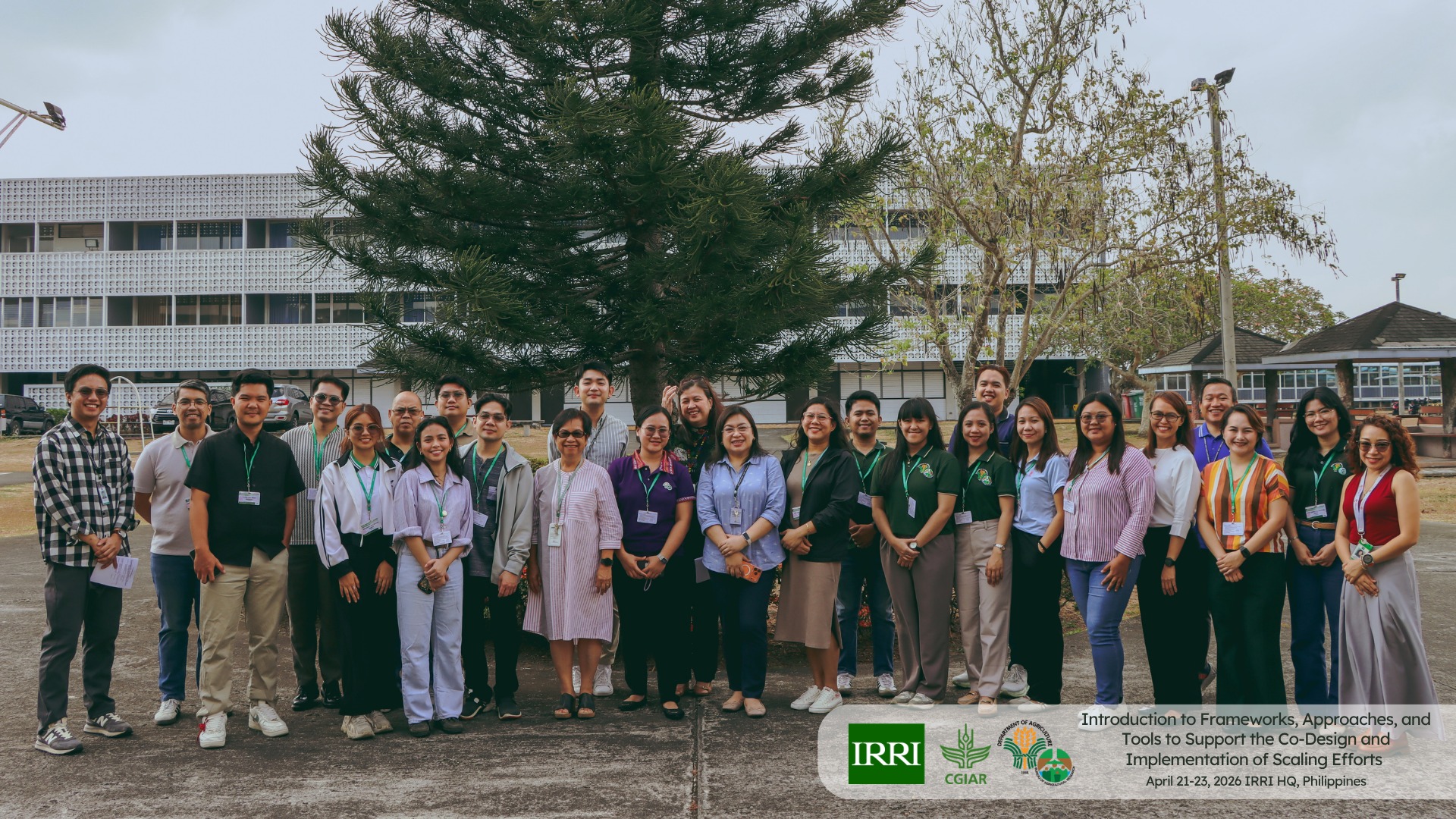
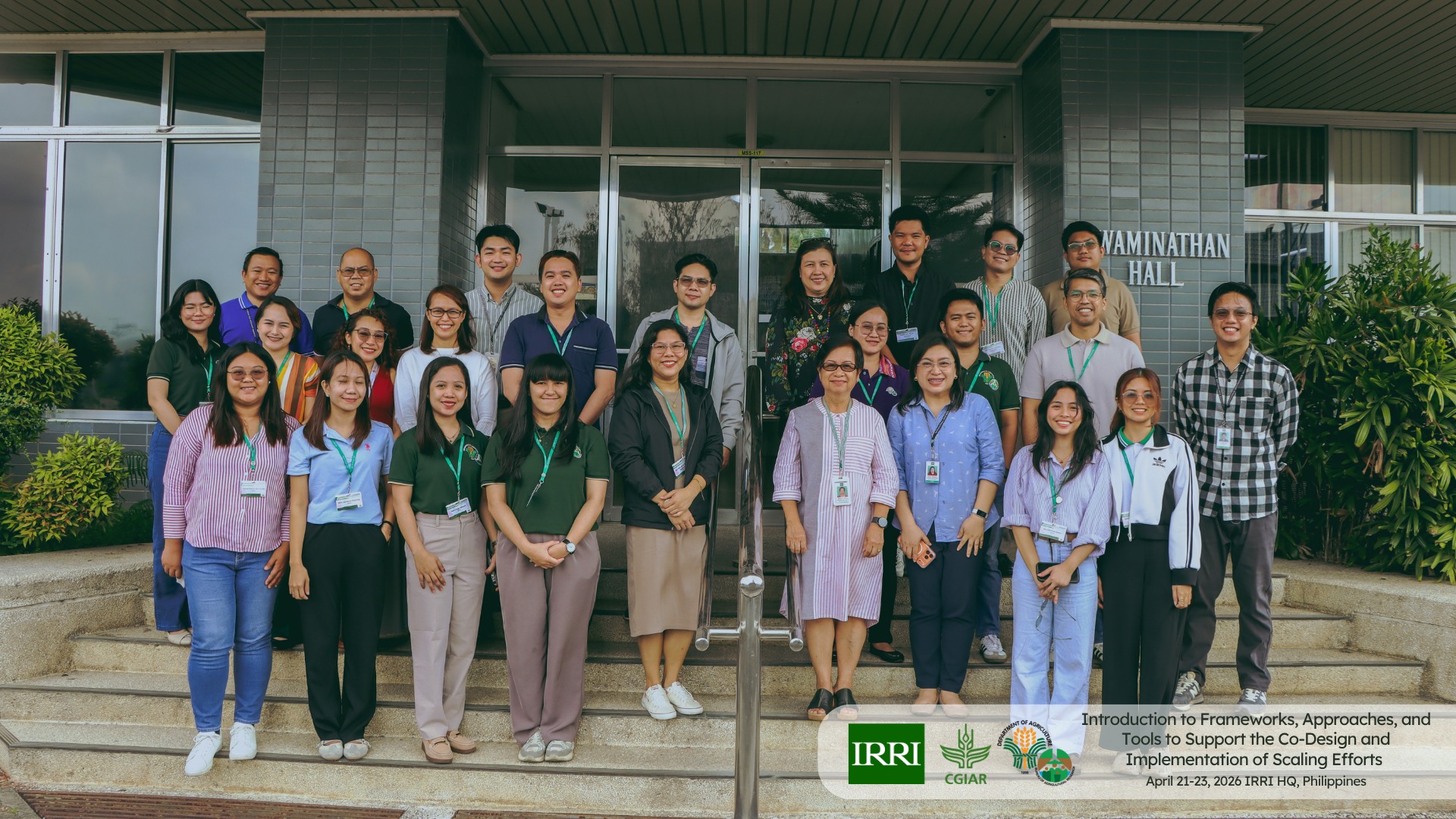
The International Rice Research Institute (IRRI), through IRRI Education, trained 19 participants from the Department of Agriculture – Bureau of Agricultural Research (DA-BAR), Department of Agriculture – Bureau of Plant Industry (DA-BPI), and Department of Agriculture -Bureau of Animal Industry (DA-BAI) on advancing innovative scaling strategies during a three-day course held on 21–23 April 2026 at IRRI Headquarter in the Philippines.
The training aimed to strengthen capacities in designing, implementing, and assessing scaling efforts to ensure agricultural innovations reach more farmers and generate lasting impact. This was the driving focus of the Project UPSKILL training course on the “Introduction to Frameworks, Approaches, and Tools to Support the Co-Design and Implementation of Scaling Efforts” which was co-supported by the CGIAR Scaling for Impact Science Program. This is the second batch of this training series.
|
|
|
|
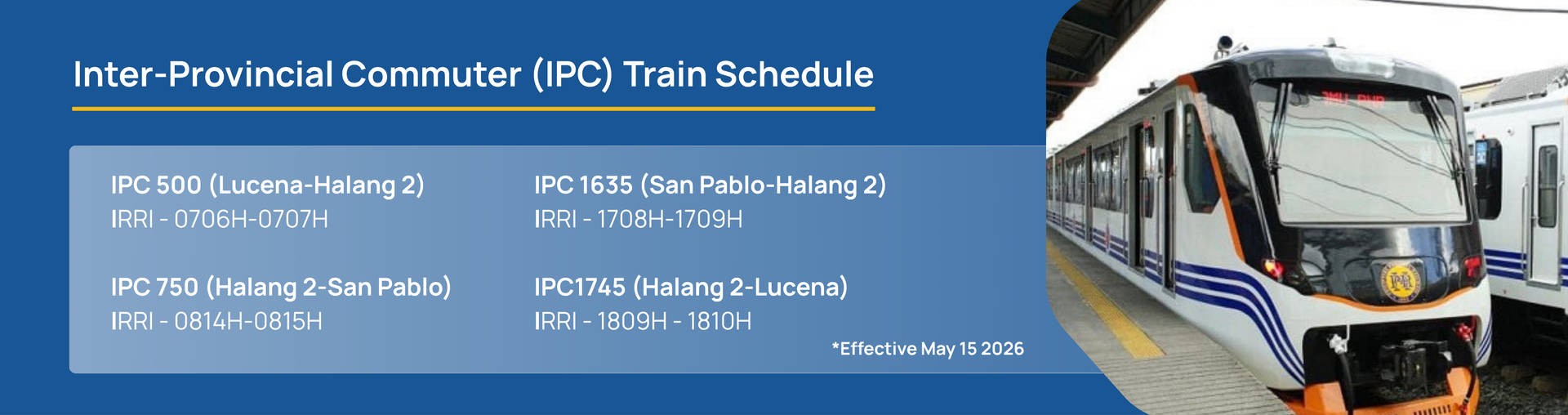
NEW TRAIN SCHEDULE: Starting May 15, 2026, the trip of the Inter-Provincial Commuter (IPC) from San Pablo to Calamba will depart at 4:35 PM (previously 4:00 PM).
The change in departure time is part of the Philippine National Railways’ ongoing adjustments to ensure more efficient, safe, and reliable service for all passengers. Thank you for your understanding and continued support of Philippine National Railways.
|
|
|
|
|
|
Visit of Can Tho University
|
|
|
|
|
|
Visit of Nuffield Farming Scholars
|
|
|
|
|
|
Facility Visit of ORYZA Workshop participants
|
|
|
|
Desk Review, Policy Manual, International Benchmarking
|
|
|
|
|
Spectroscopy, Soil Health, Nutrient Management
|
|
|
Nationally Recruited Staff
|
|
|
Risk-Based Assurance, Governance & Controls, Insight-Driven Audits
|
|
|
Nationally Recruited Staff
|
|
|
Monitoring Development, System Validation, Pilot Implementation
|
|
|
|
|
International Rice Research Institute (IRRI)
|
|
|
|
If you have any feedback or inquiries about the internal newsletter,
email or chat g.concepcion@cgiar.org
|
|
|
|
*|LIST:DESCRIPTION|*
This email was sent to *|EMAIL|*. Please do not unsubscribe.
|
|
|
|
|