WORLD BANK SPECIAL FEATURE
|
A Triple Win in Viet Nam's Mekong Delta
|
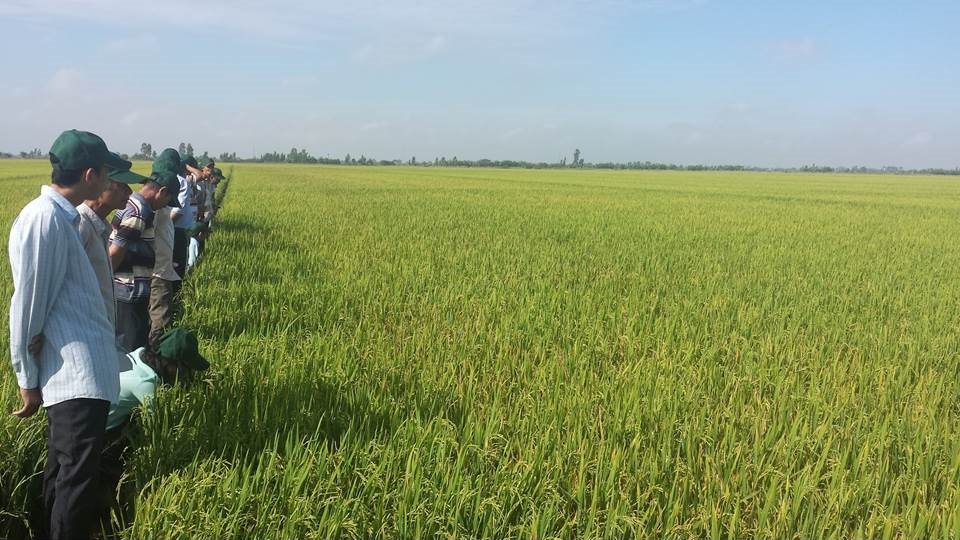
Climate-resilient irrigation is transforming rice farming in Viet Nam’s Mekong Delta.
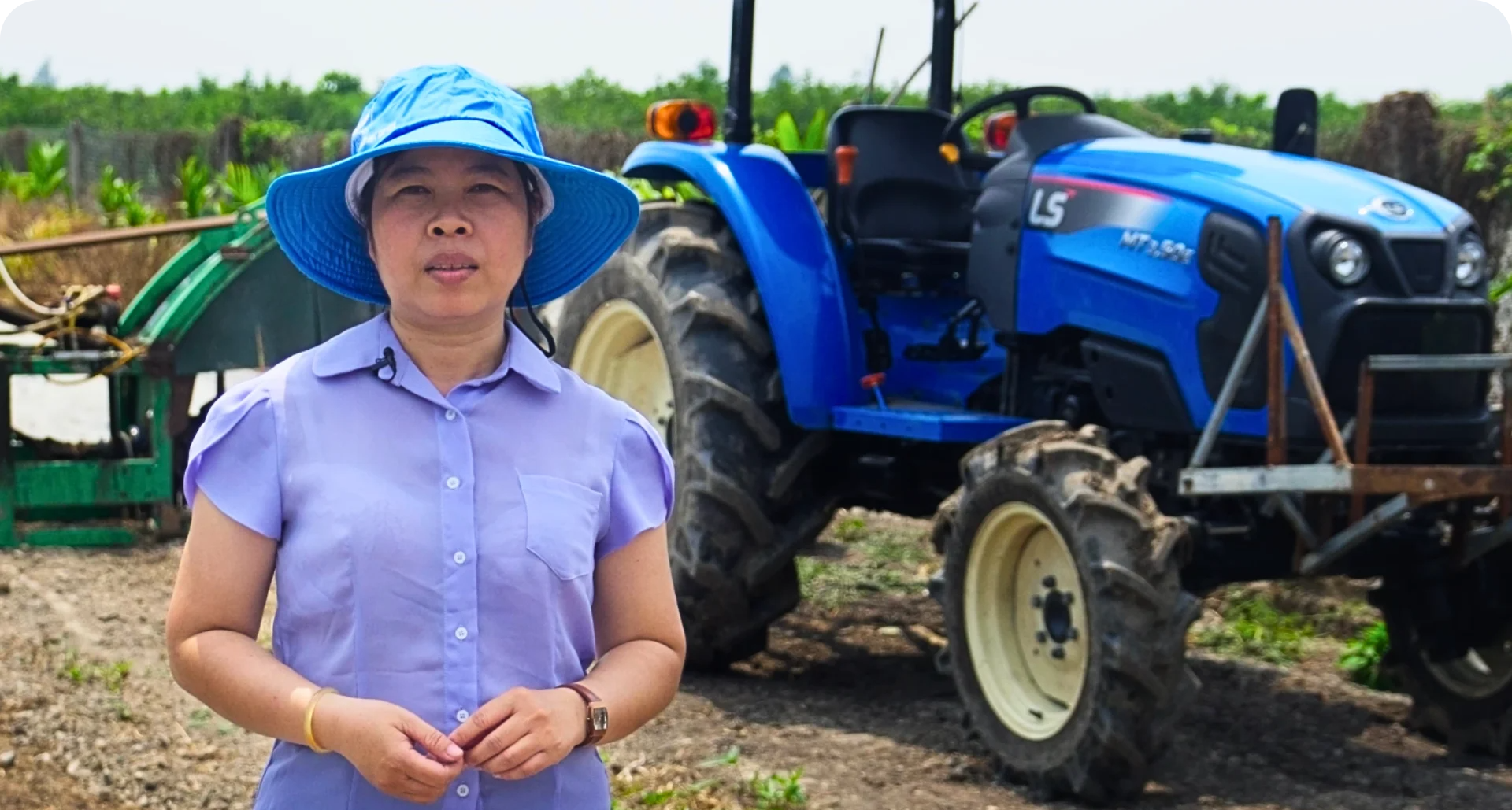
Through the World Bank–supported VNSAT Project, The International Rice Research Institute (IRRI) has equipped over 156,000 rice-farming households with climate-smart practices and deployed methane-tracking sensors and a smartphone app to help farmers shift to Alternate Wetting and Drying, cutting water use while maintaining yields.
These innovations have already reduced greenhouse gas emissions by 1.5 million metric tons of CO2 equivalent and are informing Viet Nam’s ambitious plan to scale low-emission, high-quality rice production to one million hectares by 2030.
|
|
|
|
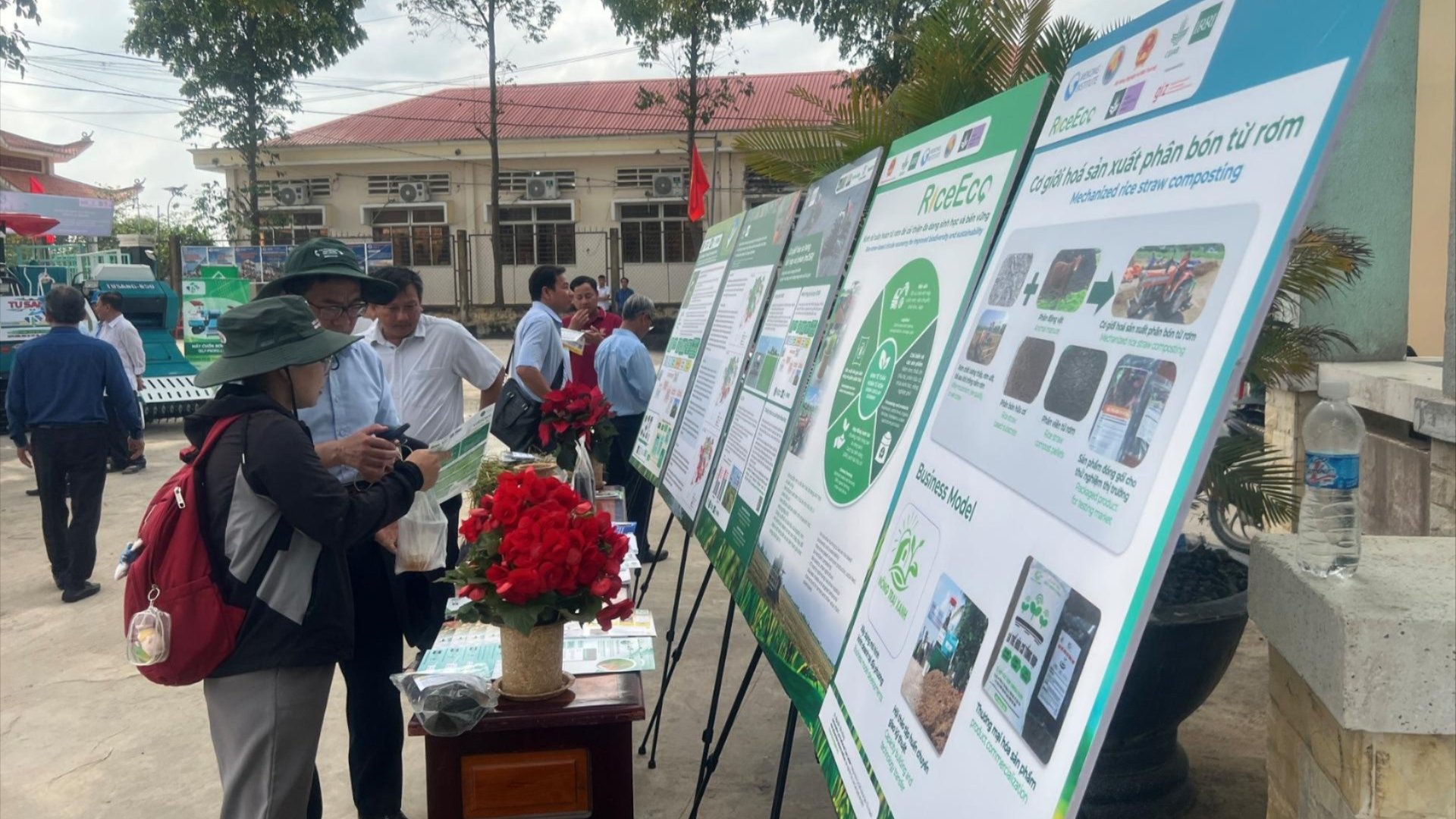
Scaling Low-Emission Rice through Pilot Models that Showcase the Future of Vietnam’s Mekong Delta
|
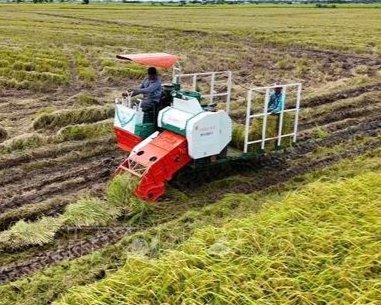
The demonstration showcased a comprehensive suite of advanced machinery designed to optimize resource use and minimize environmental impact.
|
|
|
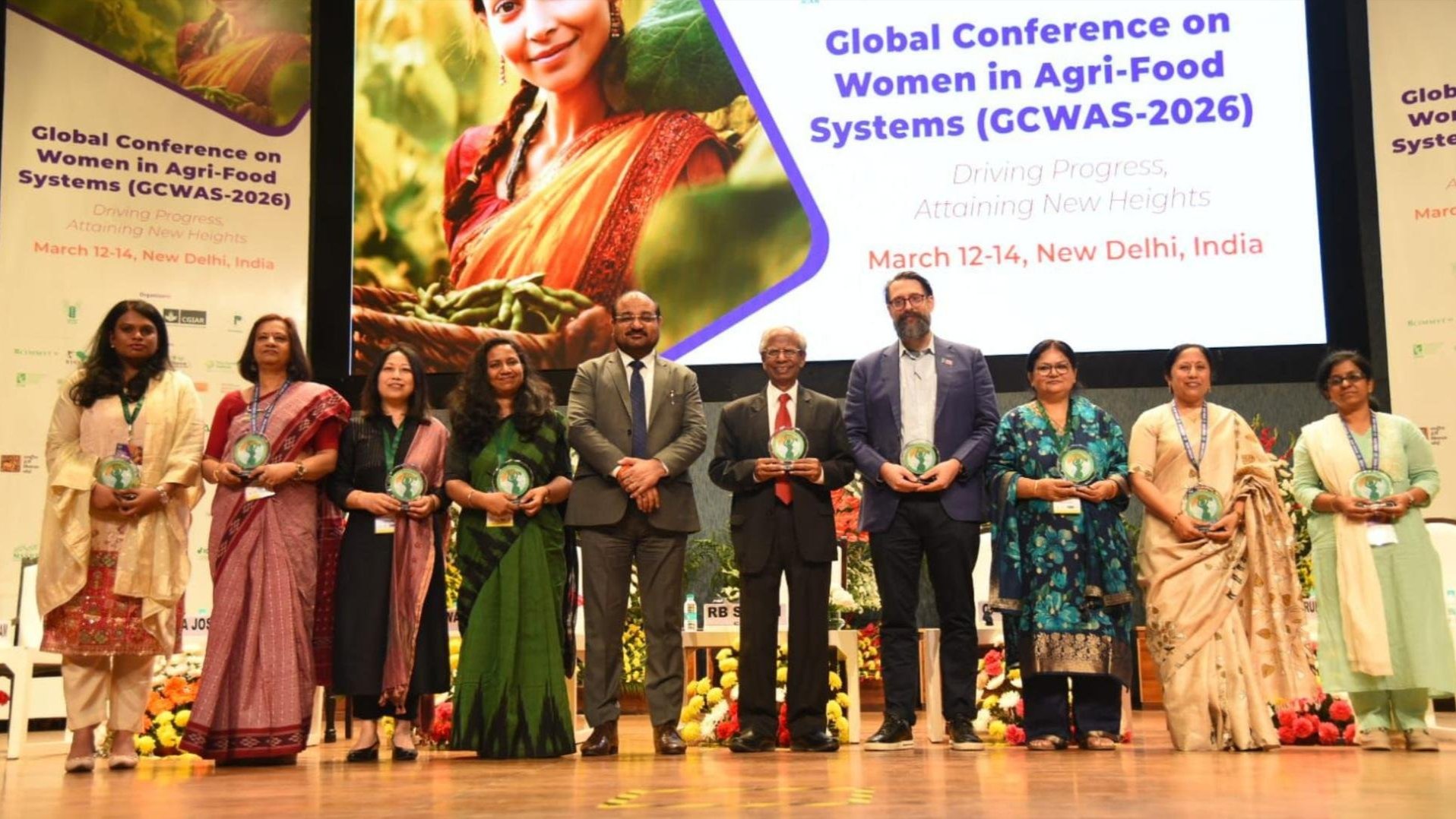
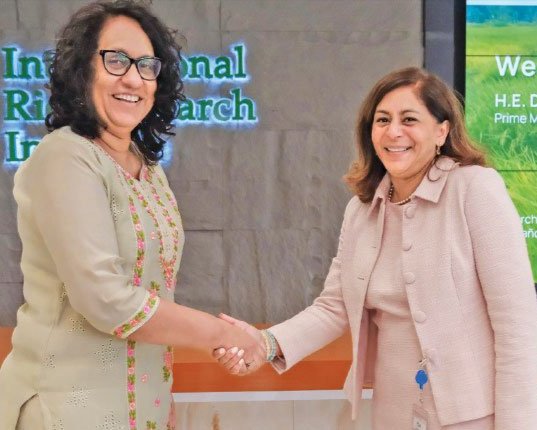
IRRI, CGIAR Promote Women’s Leadership at GCWAS2026; Initiatives Win Recognition
|
Bringing together over 700 participants from 18 countries, it featured nine sessions on women’s empowerment in the agri-food system, including global leadership, gender equality, technology, policy, economic advancement, market access, and youth engagement.
|
|
|
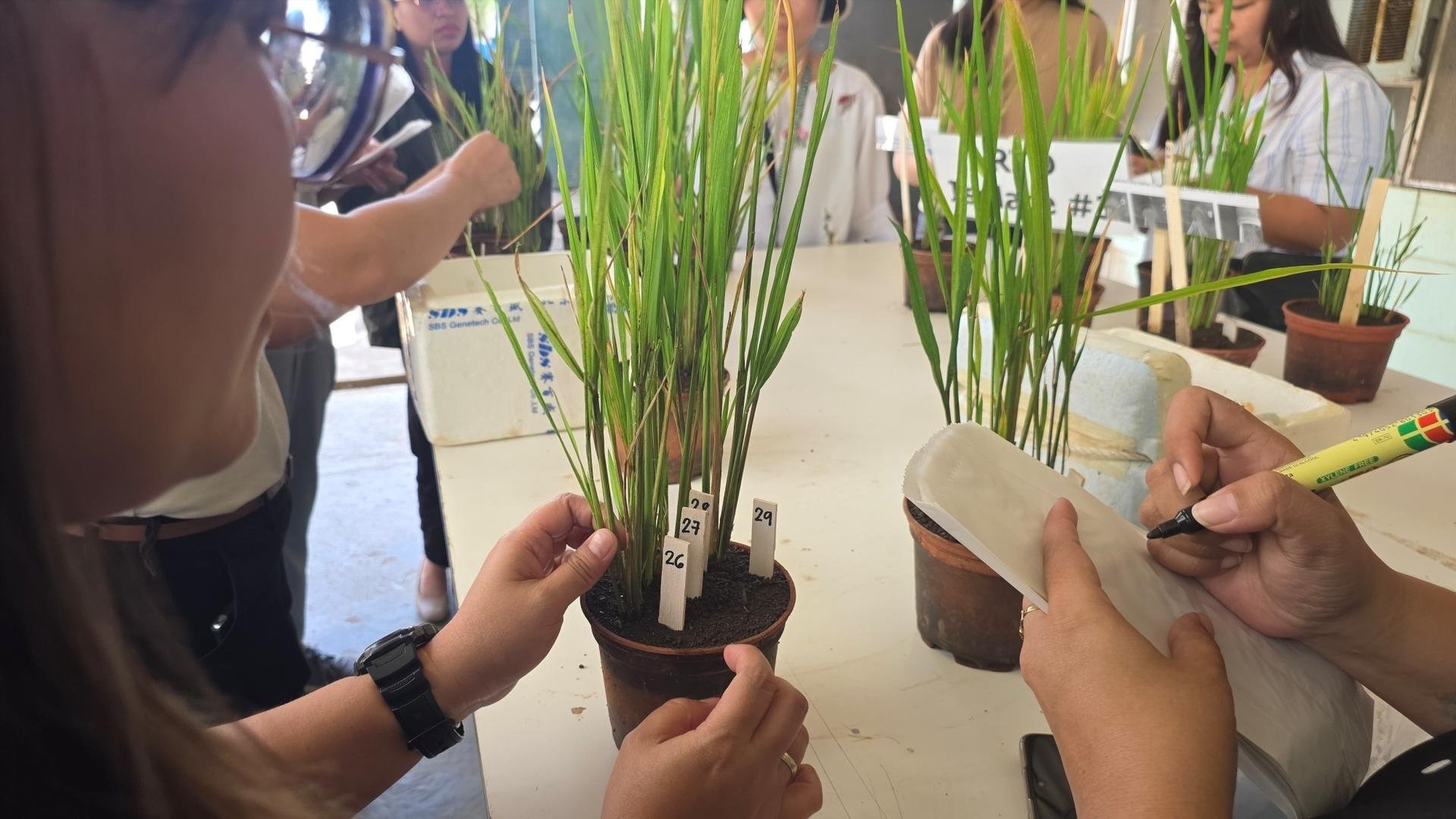
Philippine partners strengthen capacity to detect Rice Yellowing Syndrome with support from IRRI
|
Philippine rice research and crop protection institutions are strengthening their capacity to detect and respond to Rice Yellowing Syndrome (RYS), an emerging disease affecting rice, through specialized training conducted with support from the International Rice Research Institute (IRRI).
|
|
|
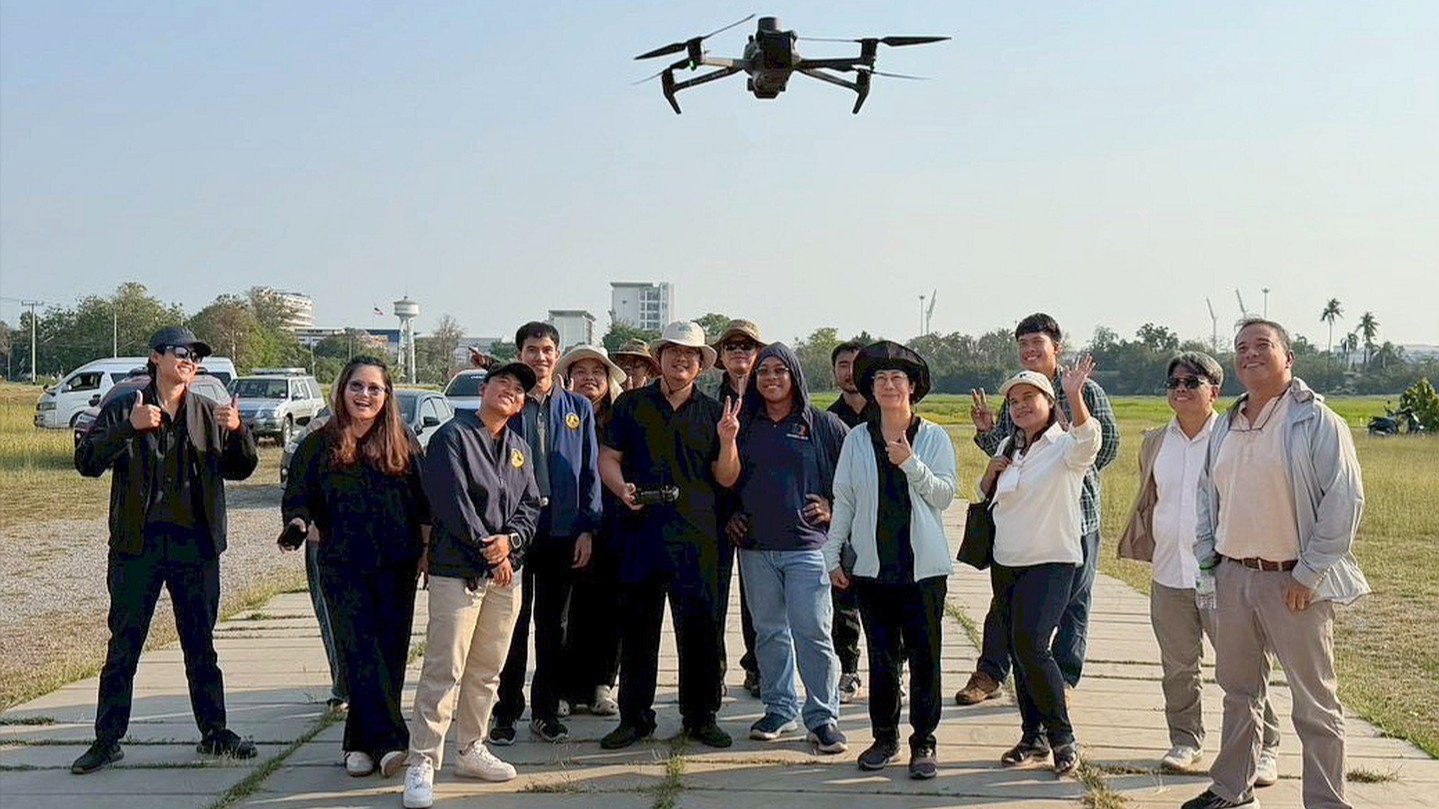
Ready for lift-off: IRRI, Thailand’s Rice Department, and Kasetsart University gather around drones for low-emission rice and climate-smart agriculture
|
As attention grows to cut emissions, use water more sustainably, and make farming more precise, drone-based monitoring is starting to look less like a futuristic gadget and more like a substantial tool for the job.
|
|
|
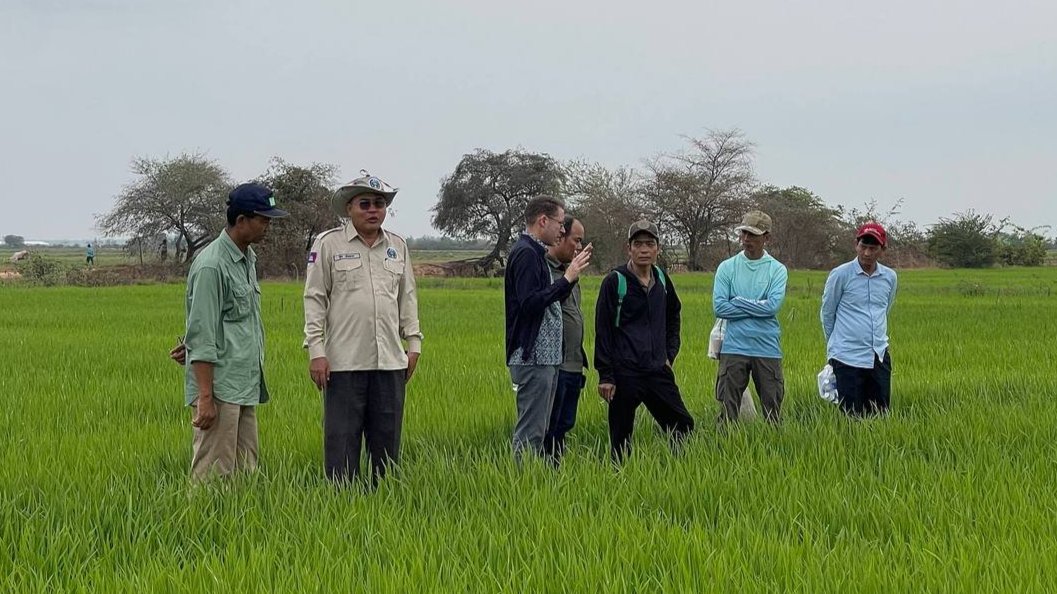
Cambodia launches collaboration with IRRI, GGGI and GDA to support methane mitigation in the rice sector
|
The International Rice Research Institute (IRRI), the Global Green Growth Institute (GGGI), and Cambodia’s General Directorate of Agriculture (GDA) officially launched their collaboration to reduce methane emission in Cambodia’s rice sector.
|
|
|
Why policy and stakeholder support, not just carbon credits, will be critical for low-emission rice adoption
|
Researchers from Can Tho University and the International Rice Research Institute simulated carbon credit payments to farmers in order to investigate whether results-based monetary incentives can effectively drive the behavioral changes necessary to propel the adoption and scaling up of low-emission practices.
|
|
|
Want your published paper featured in Rice Today and promoted on IRRI social media and the newsletter? Chat or email the editor at g.concepcion@cgiar.org
|
|
|
|
|
|
Nourishing Futures: Scaling Low GI Rice in the Philippines
|
The Philippines is leading the efforts to scale diabetic-friendly rice, bringing healthier rice options and new opportunities to Filipino farmers and consumers.
Last July 2025, farmers in Gamu, Isabela successfully completed the country’s first farmer field school and techno-demonstration on low-glycemic index (GI) rice production, made possible through the collaboration of the Department of Agriculture Regional Field Office 2 (DA-RFO 2), the Philippine Rice Research Institute (DA-PhilRice), the Agricultural Training Institute (DA-ATI), and the International Rice Research Institute (IRRI).
By equipping farmers with good agricultural practices (GAP) for low-GI rice production, DA and IRRI are helping farmers grow high-quality rice, with yields with comparable to farmer-preferred varieties, while supporting healthier diets for Filipino consumers.
Diabetes remains a growing global health concern and one of the leading causes of death in the Philippines. As of 2024, an estimated 4.7 million Filipino adults are living with diabetes, according to the International Diabetes Federation. Low-GI rice helps slow the rise of blood sugar levels after meals, offering a better option for rice-based diets.
|
|
|
|
|
|
|
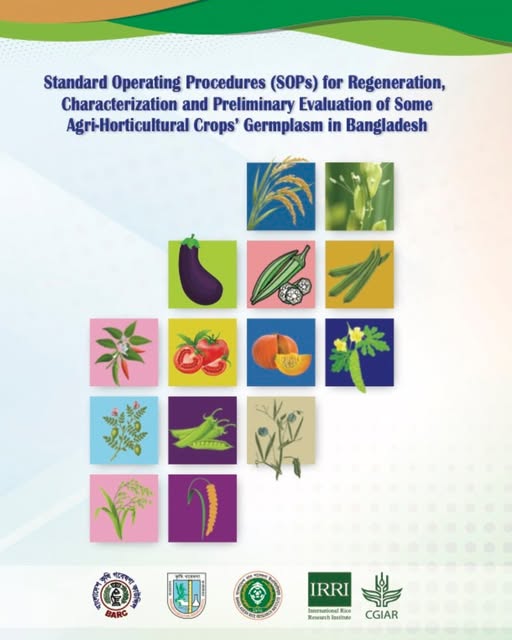
Standard Operating Procedures (SOPs) for Regeneration, Characterization and Preliminary Evaluation of Some Agri-Horticultural Crops’ Germplasm in Bangladesh
|
Published by the Bangladesh Agricultural Research Council (BARC) with support from IRRI and CGIAR.
|
|
|
|
|
|
|
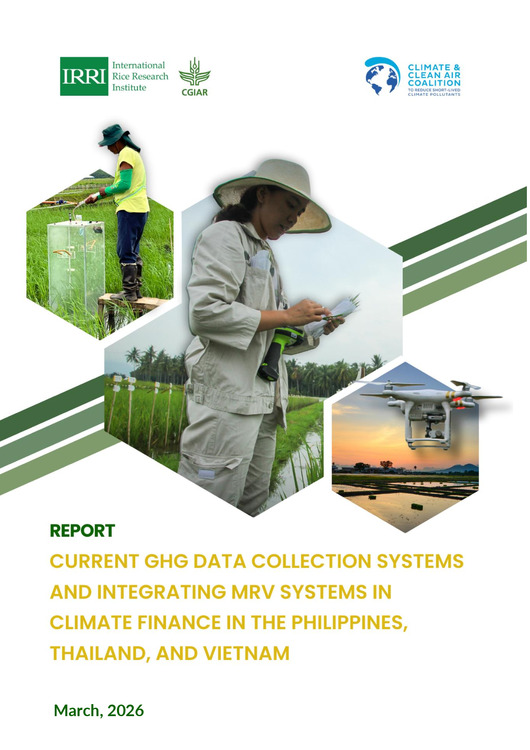
Current GHG data collection systems and integrating MRV systems in climate finance in the Philippines, Thailand, and Vietnam
|
This handbook provides a structured overview of Measurement, Reporting, and Verification (MRV) systems for GHG mitigation in rice production and their relevance to national climate commitments and climate finance.
|
|
|
|
|
|
|
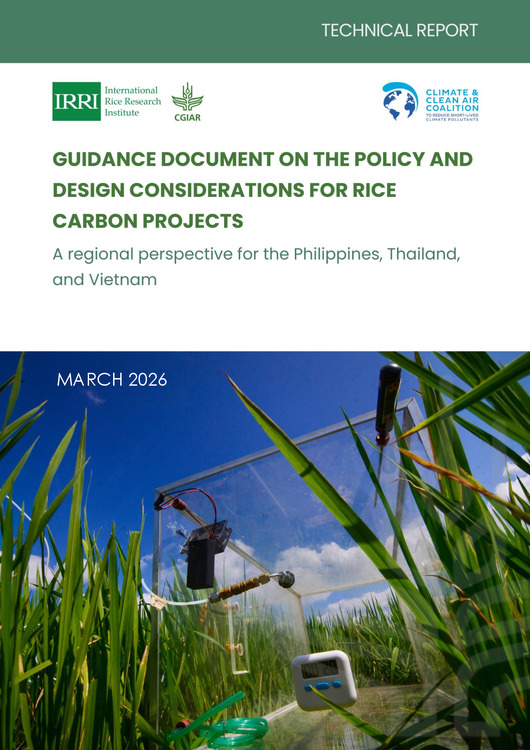
Guidance Document on the Policy and Design Considerations for Rice Carbon Projects: A Regional Perspective for the Philippines, Thailand, and Vietnam
|
This report examines the key policy and project design considerations for developing high‑integrity carbon markets in the Philippines, Thailand, and Vietnam, with a particular focus on rice‑based mitigation opportunities.
|
|
|
|
ISARC organizes training on seed rules, regulations and PPV&FR
|
|
|
|
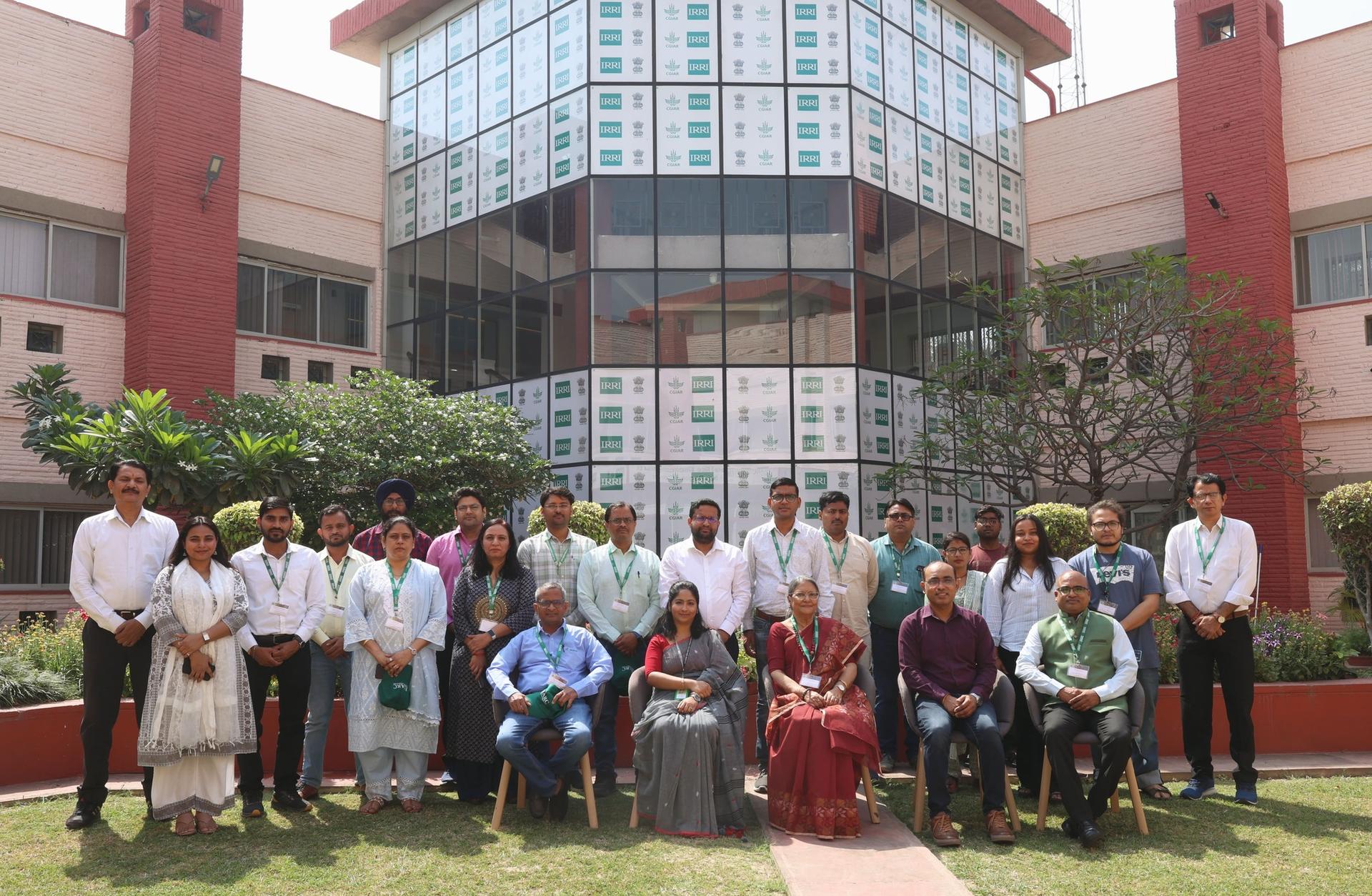
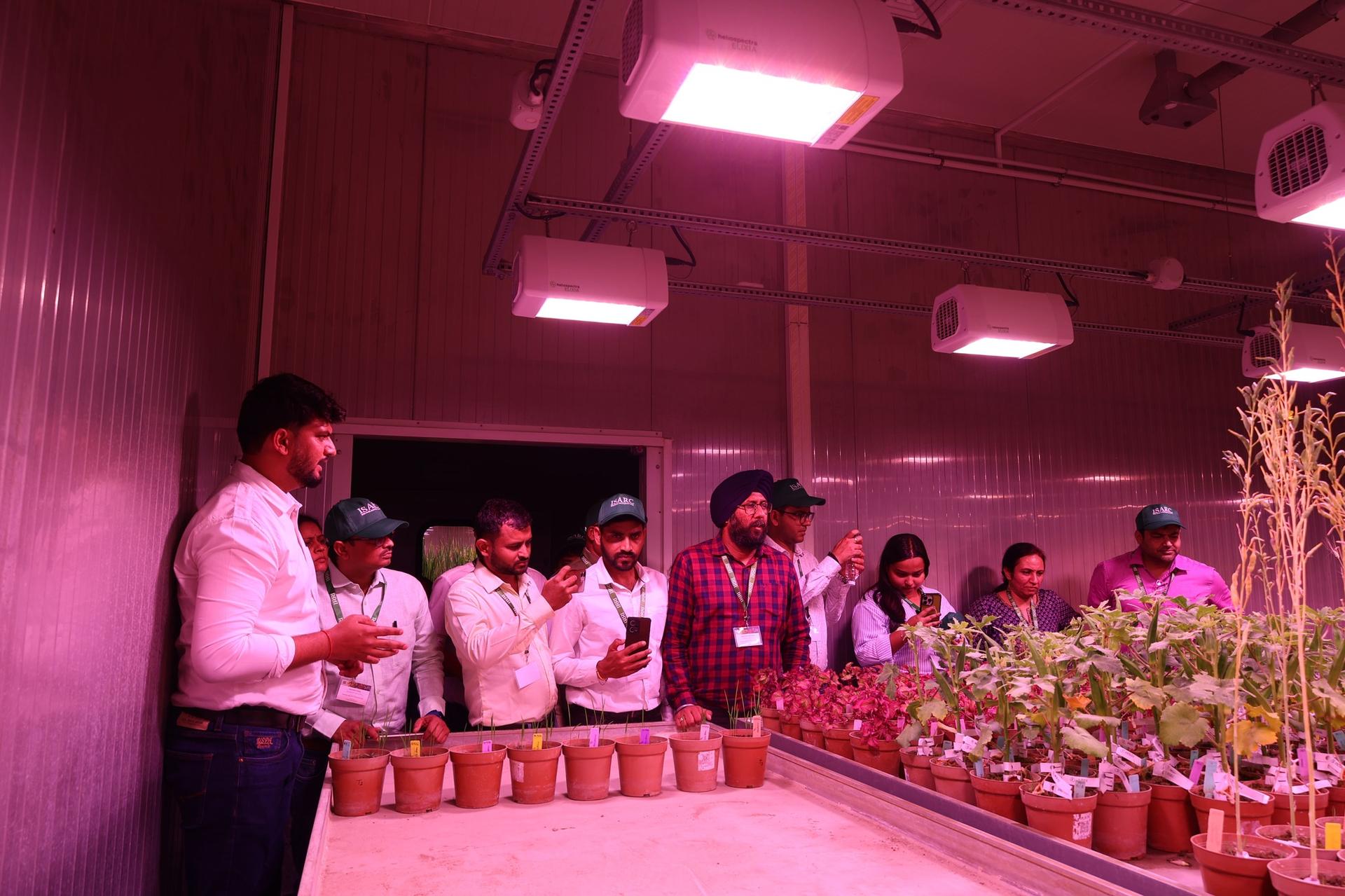
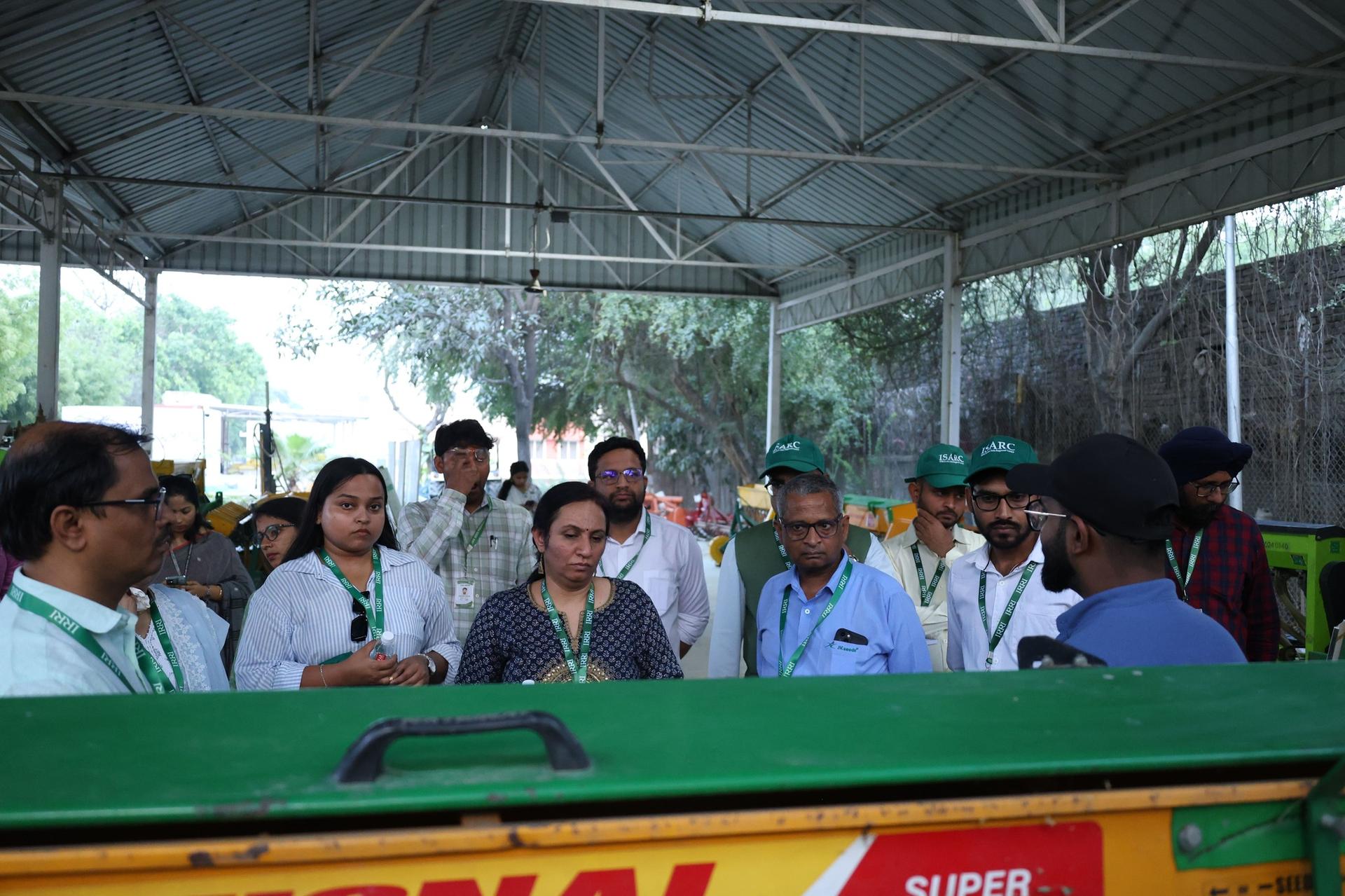
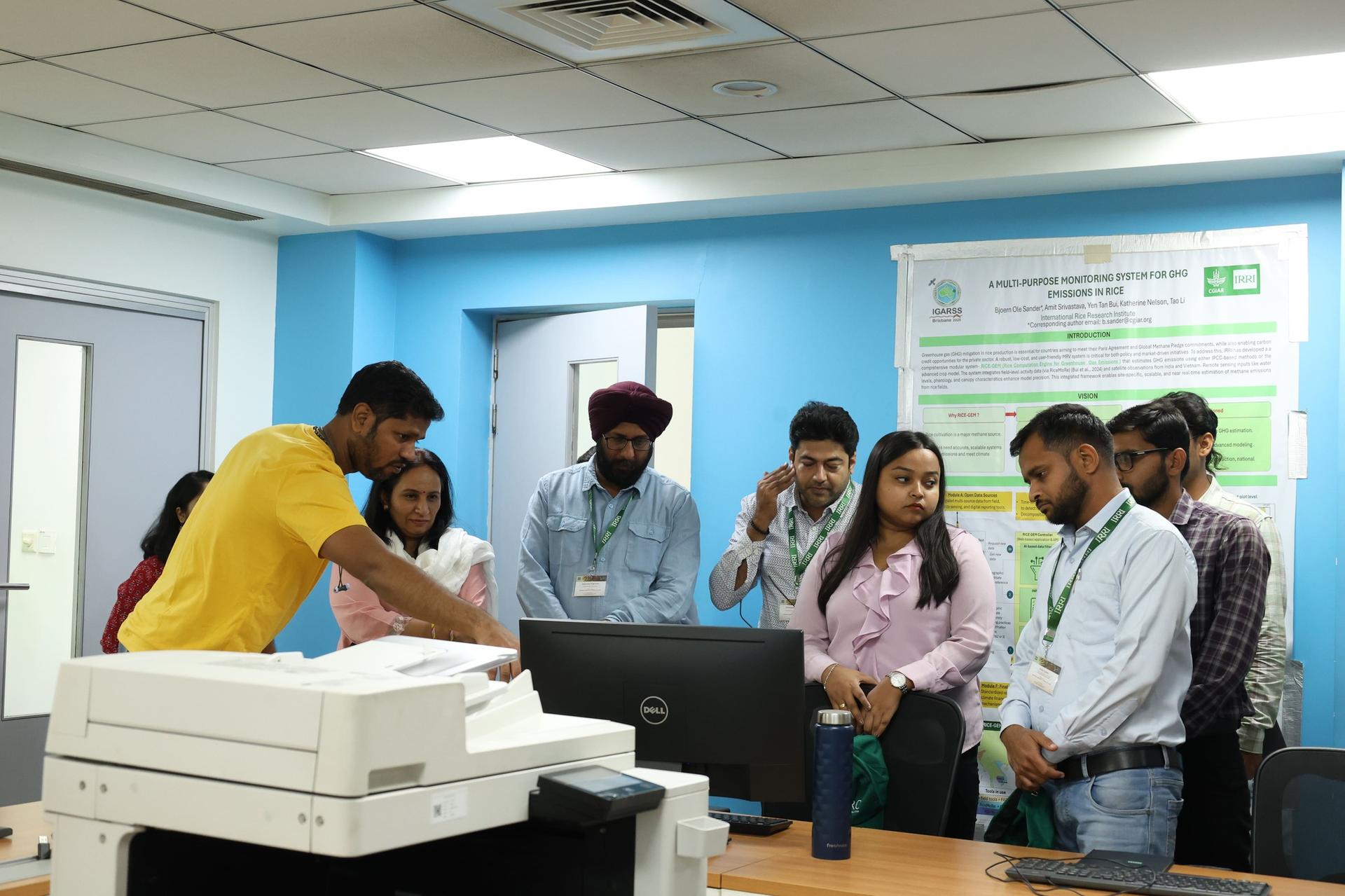
The IRRI South Asia Regional Centre (ISARC) organized a two-day training on Seed Rules, Regulations & Protection of Plant Varieties and Farmers’ Rights (PPV&FR) Act in Rice in Varanasi from March 30-31, 2026. The programme brought together professionals from government seed systems, research institutions, policy bodies, and the seed industry, including experts from the National Seed Research and Training Centre (NSRTC) and various ICAR institutes.
The program was graced by eminent experts, including Dr Dinesh Kumar Agarwal, Registrar General, PPV&FRA; Dr Rakesh Singh, ICAR-National Bureau of Plant Genetic Resources (NBPGR); and Dr Malavika Dadlani, former Joint Director (Research), ICAR-IARI, among others. The training primarily focused on the PPV&FRA Act, operationalization of the SAATHI portal, and international seed frameworks such as OECD Seed Schemes and Seed Without Borders initiatives, equipping participants with the knowledge required to navigate evolving seed policies and systems.
|
|
|
|
Unlocking the Power of Scaling Innovations
|
|
|
|
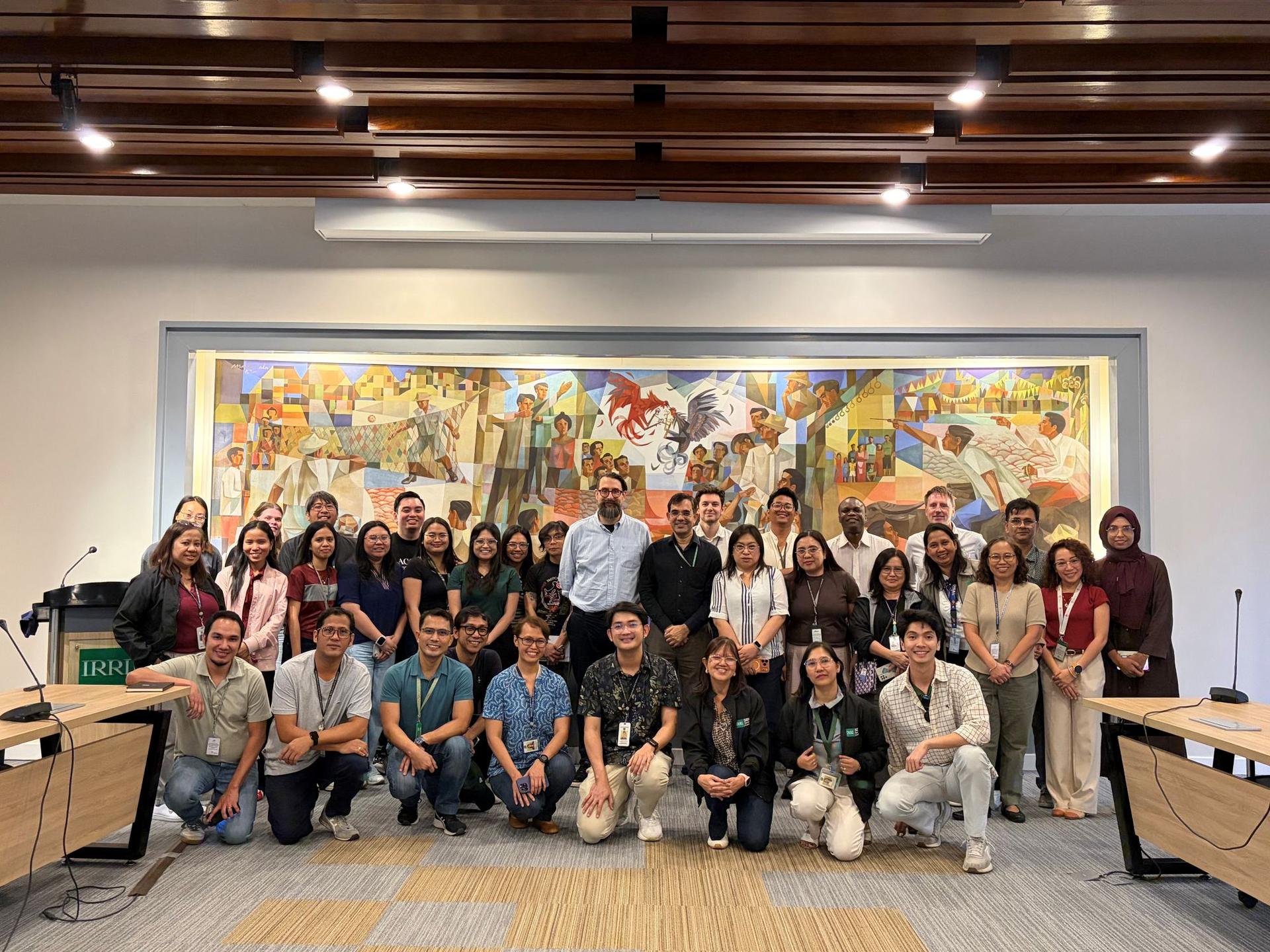
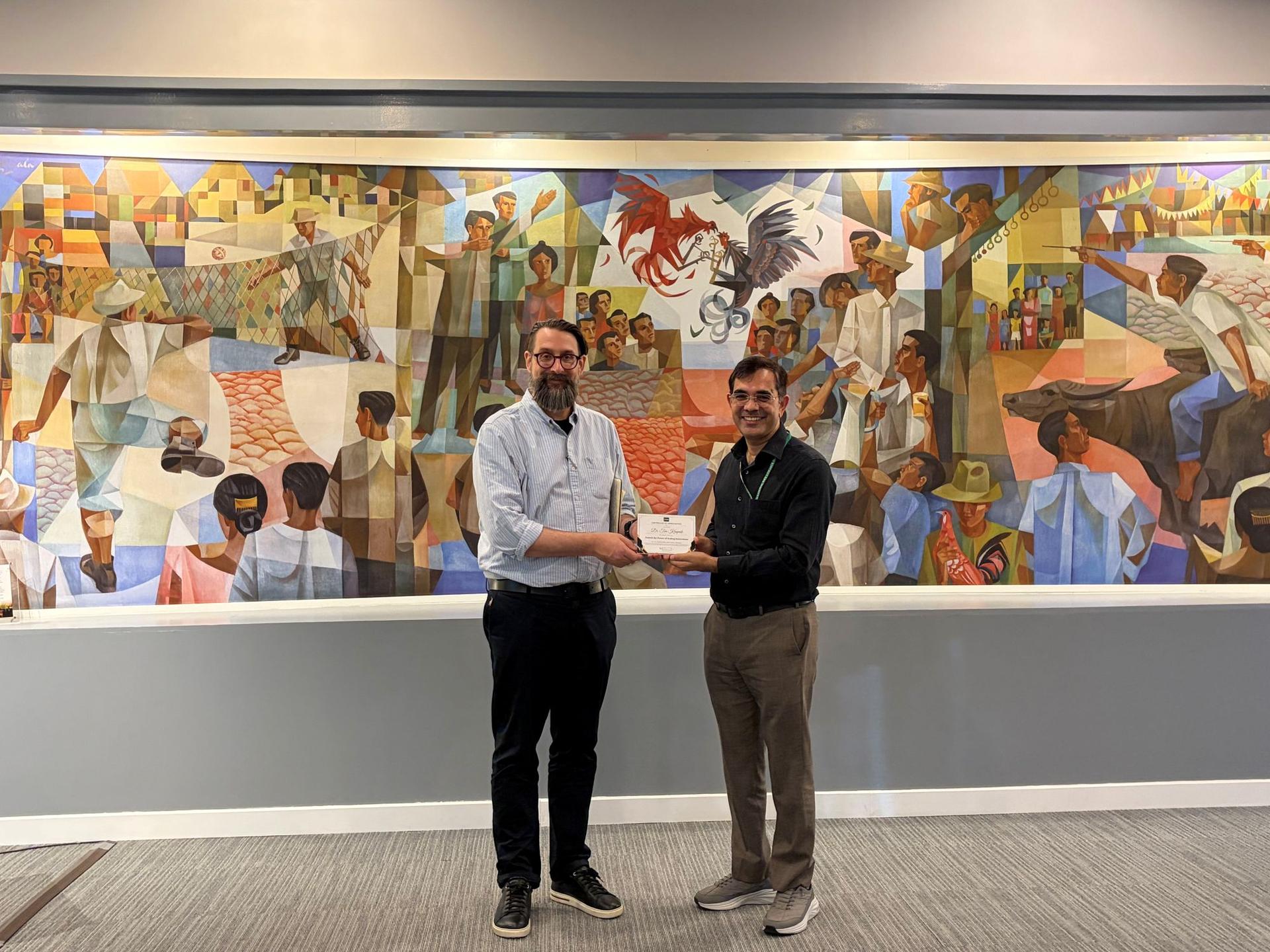
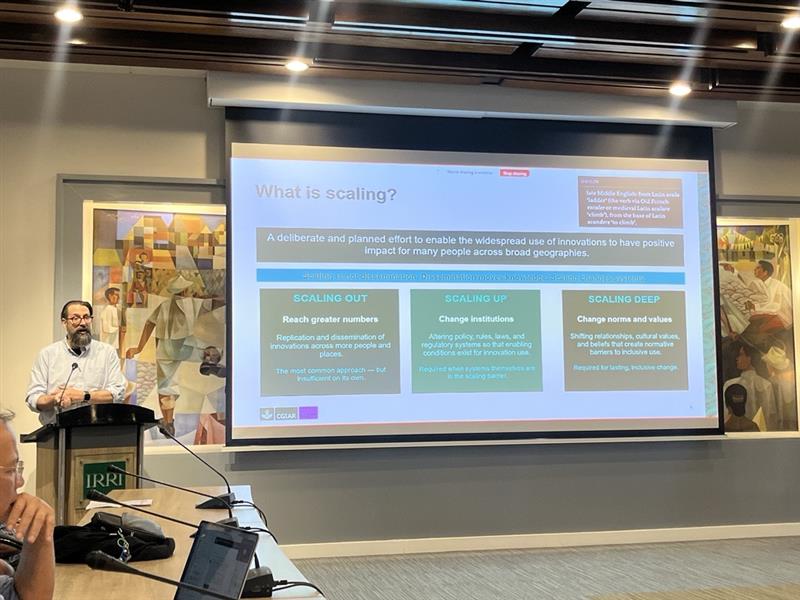
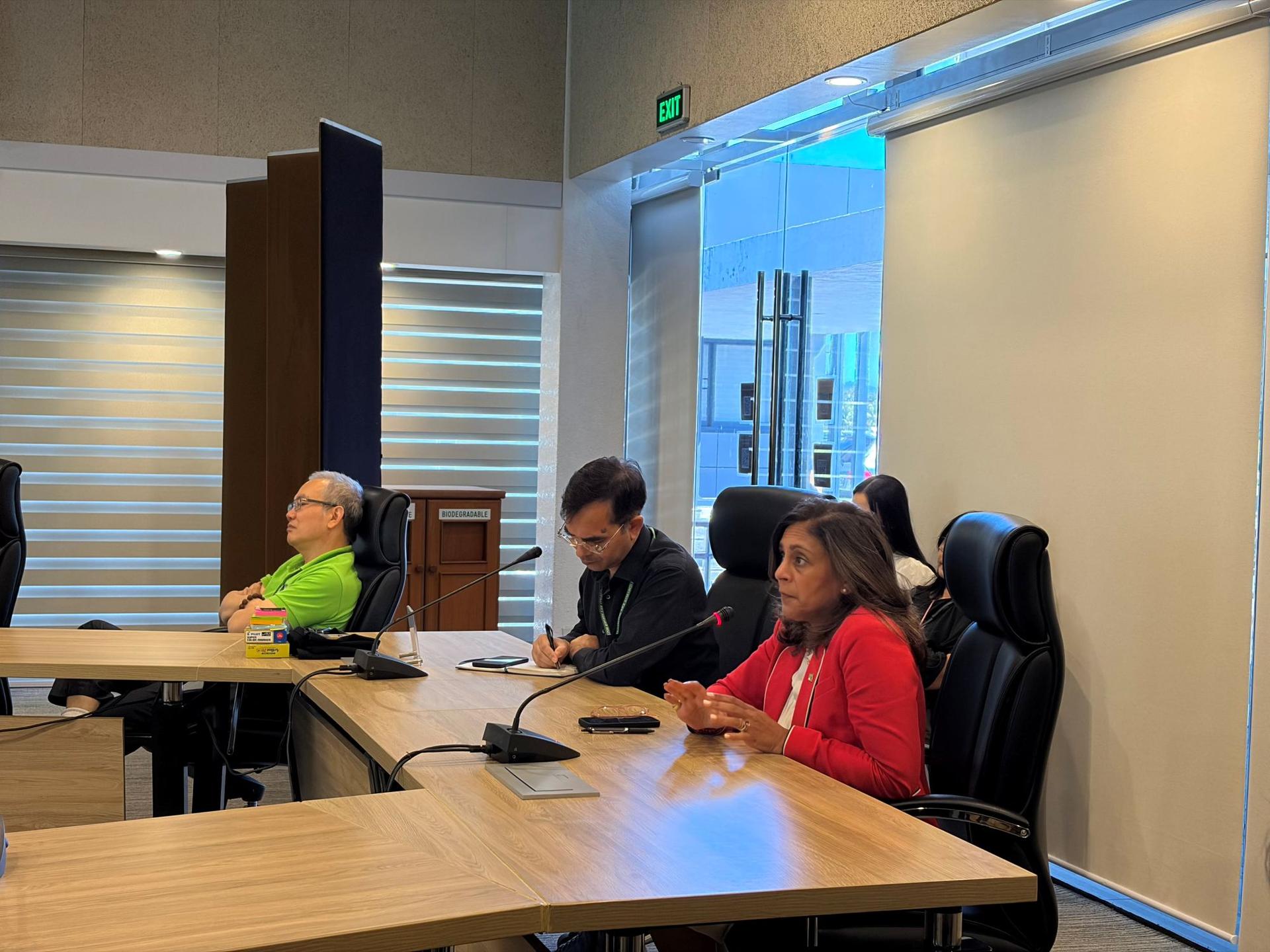
At a SIRS seminar held at the IRRI headquarters, Dr. Timothy Krupnik, Director of CGIAR's Scaling for Impact, emphasized that scaling goes far beyond simply disseminating technologies. It requires aligning systems, partnerships, policies, and behaviors to enable widespread and lasting adoption.
At the core of the CGIAR Scaling for Impact program is “intermediation,” bridging the gap between research and real-world application by packaging innovation bundles, connecting them with the right partners, mobilizing finance, and shaping enabling environments. Dr. Krupnik underscored that this work demands interdisciplinary science, where researchers must be deeply grounded in their own fields while also being able to engage across disciplines, as scaling challenges are as much social and political as they are technical. The session concluded with a short workshop, where participants, especially early-career researchers, were challenged to think beyond disciplinary silos and integrate scaling into their own work, reinforcing the need for more systems-oriented and impact-driven science.
|
|
|
|
IRRI hosts financial literacy seminar with local Bay municipality
|
|
|
|
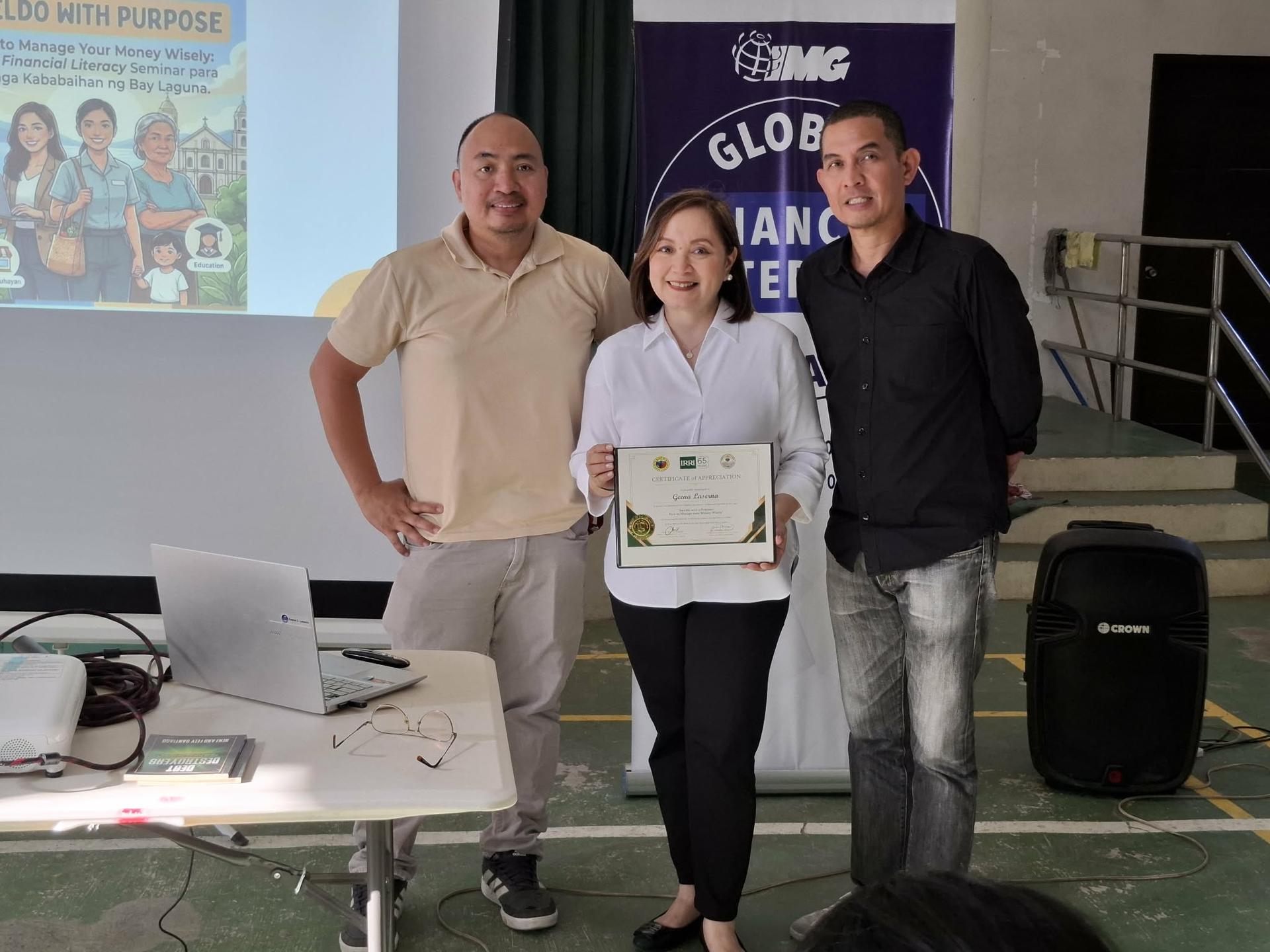
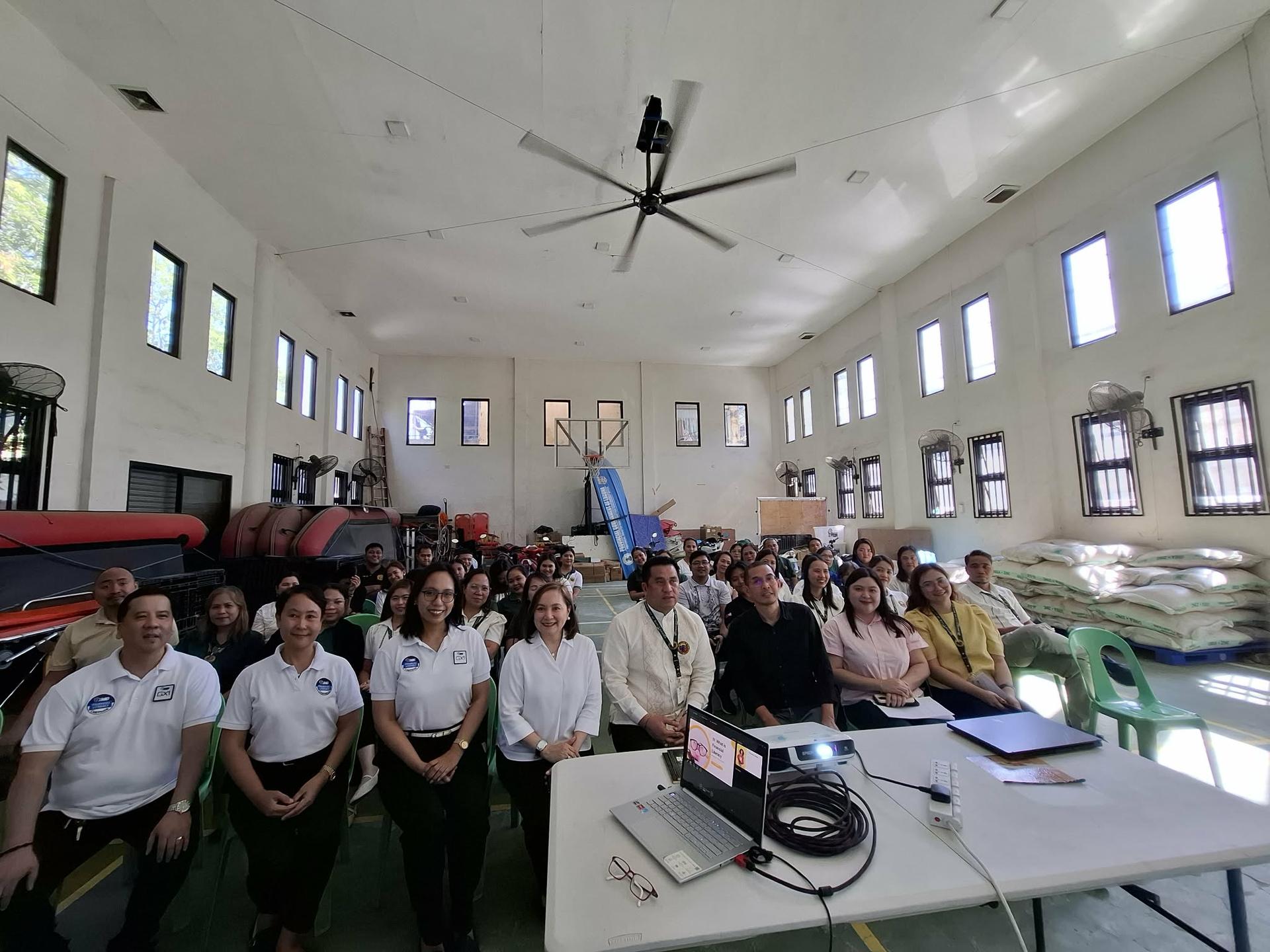
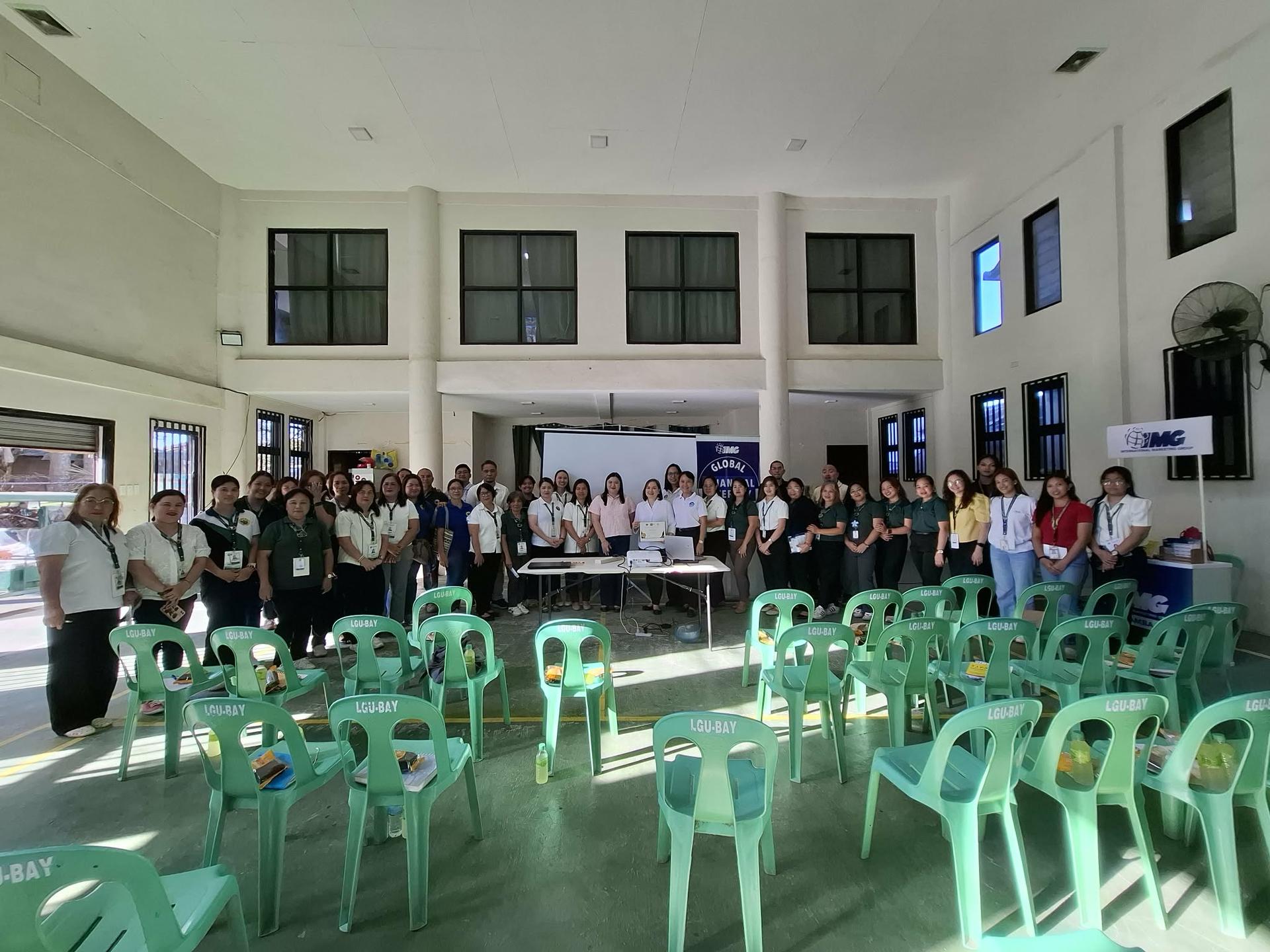
In celebration of Women’s Month, the IRRI Community Relations and Partnerships Office (CRPO) and the IRRI Employees Credit and Development Cooperative (ECDC), in partnership with the Municipal Government of Bay, conducted a seminar on financial literacy for Bay municipal employees on March 23.
More than 40 Bay employees attended this seminar, which was presented by Ms. Geena Laserna of the International Marketing Group. In her presentation, “Sweldo with a Purpose,” Ms. Laserna gave a practical guide on how to manage money wisely and tips on how to build a solid financial foundation. She also encouraged the attendees to join the IPON Challenge to develop the habit of saving.
The Vice Mayor of Bay, Hon. Michael Punzalan, also attended the seminar and inspired the Bay employees to take the seminar seriously, especially in the face of many economic disruptions and uncertainties.
This seminar was made possible through funds from the IRRI ECDC.
|
|
|
|
|
|
|
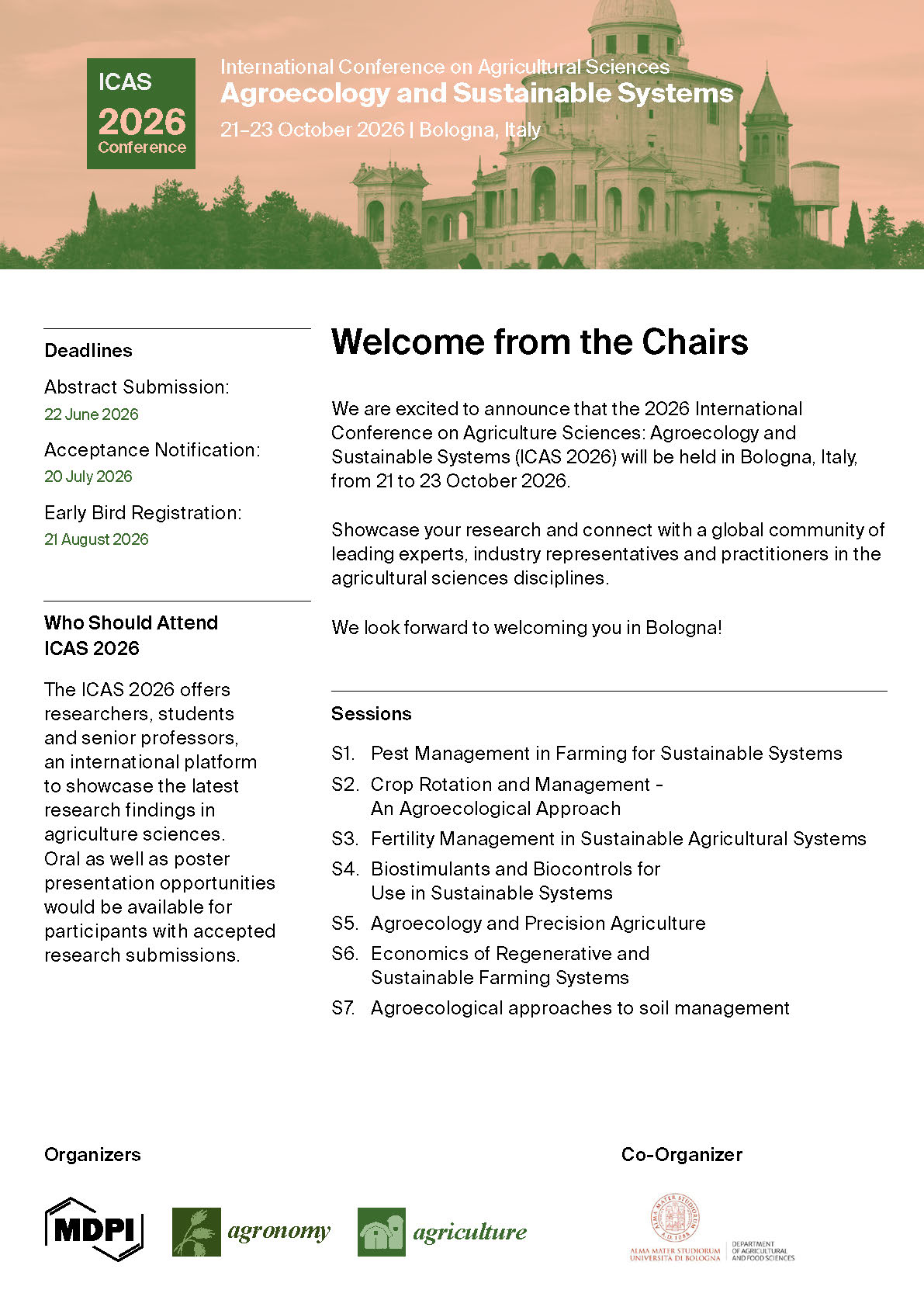
International Conference on Agricultural Sciences
|
Agroecology and Sustainable Systems
|
21–23 October 2026
Bologna, Italy
|
|
|
|
|
|
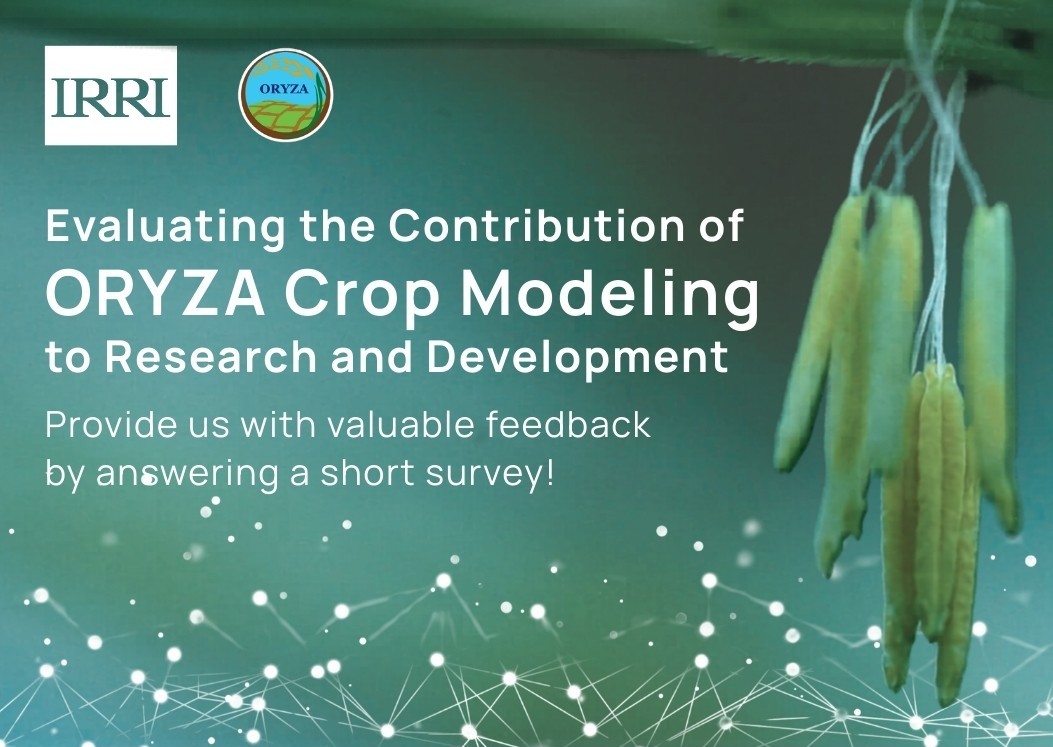
Greetings from the ORYZA Team at IRRI!
If you have ever used the ORYZA crop model and/or attended any ORYZA crop modeling training organized by IRRI, let us know what you think!
We would greatly appreciate learning how the training and/or use of the model has contributed to your knowledge, skills, and professional work. Your feedback is highly valuable to us, and your responses will greatly help enhance future training programs and better understand the model’s contribution to rice-based systems modeling and research development.
Please be assured that all responses will be treated confidentially and used solely for research and program improvement purposes. For details and inquiries, you may reach out to us via e.manalo@cgiar.org.
|
|
|
|
|
|
Visit of Hans Carlson, Lawrence Berkeley National Laboratory
|
|
|
|
Climate Change Research, GHG Monitoring & MRV, Data & GIS Analysis
|
|
|
|
|
Climate-Smart Agriculture, Project Coordination, Field Implementation
|
|
|
Nationally Recruited Staff
|
|
|
Empowering Farm Operations Driving Administrative Excellence Enabling Research Success
|
|
|
Nationally Recruited Staff
|
|
|
International Rice Research Institute (IRRI)
|
|
|
|
If you have any feedback or inquiries about the internal newsletter,
email or chat g.concepcion@cgiar.org
|
|
|
|
*|LIST:DESCRIPTION|*
This email was sent to *|EMAIL|*. Please do not unsubscribe.
|
|
|
|
|